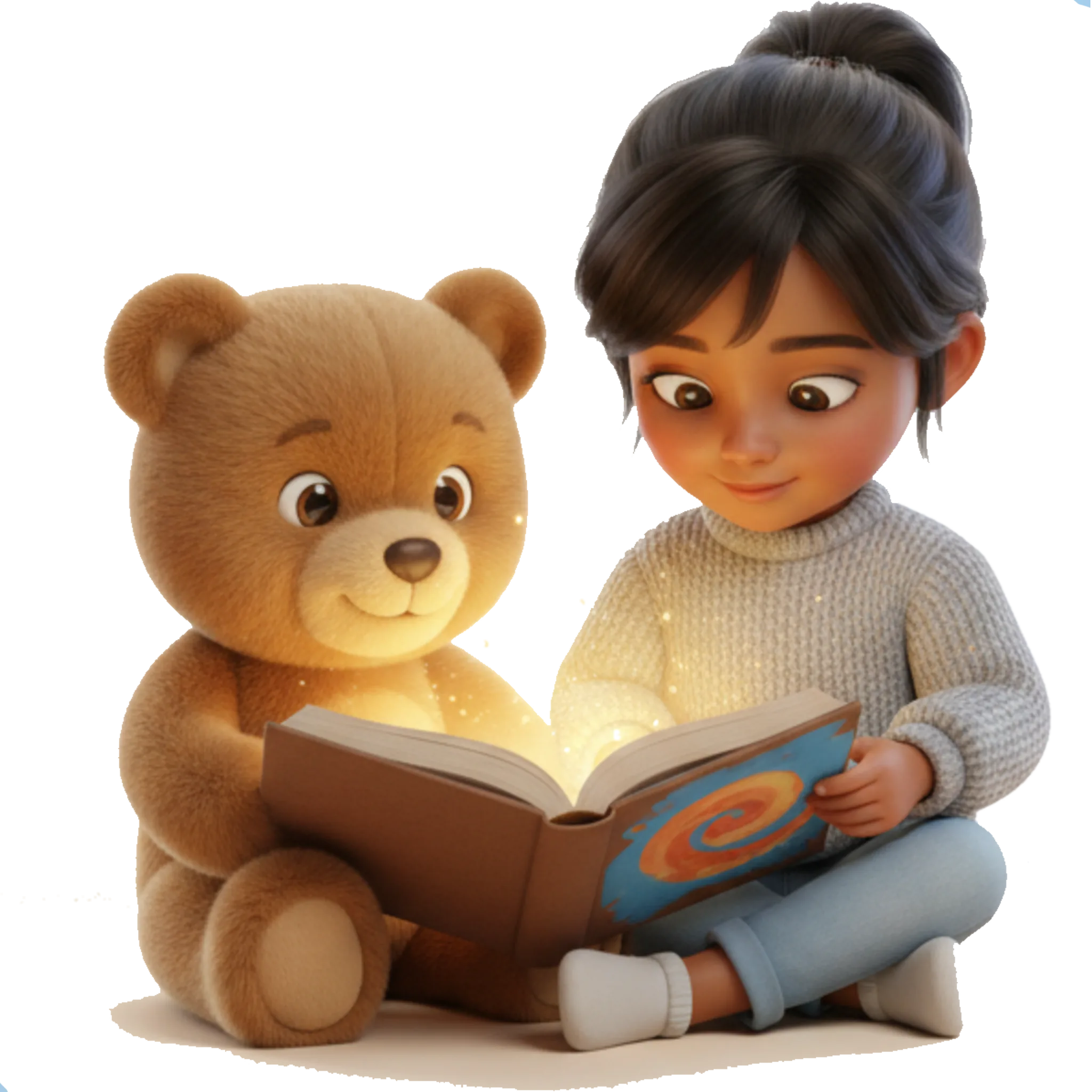
Beyond the "Goodnight": How Bedtime Stories Boost Child Brain Development
Reading bedtime stories is a powerful, enjoyable ritual that significantly enhances a child's brain development, fostering language skills, imagination, emotional intelligence, and cognitive abilities. This daily practice creates a strong foundation for future learning and strengthens parent-child bonds. It's not just about a calming routine; it's a vital investment in your child's growing mind.
The Science of Reading Aloud: A Brain Workout
When you read aloud to your child, their brain is incredibly active. Researchers have used fMRI scans to observe increased activity in areas of the brain associated with language comprehension and imagery. This active engagement helps to build and strengthen neural pathways, essentially wiring their brains for learning and understanding.
- Language and Literacy Foundation: Exposure to a wide range of vocabulary and sentence structures beyond everyday conversation helps children develop a richer understanding of language. This early literacy exposure is a strong predictor of future academic success.
- Phonological Awareness: Children learn to recognize sounds, rhymes, and rhythms in words, which is a critical pre-reading skill.
- Narrative Skills: Understanding story structure (beginning, middle, end, cause, and effect) helps children organize their thoughts and communicate more effectively.
Sparking Imagination and Creativity
Unlike screen time, which often provides ready-made visuals, listening to a story encourages children to create their own mental images. This active process is a fundamental exercise for their developing imagination.
- Mental Visualization: As you describe a brave knight or a magical forest, your child's brain constructs these images. This skill is crucial not just for creative writing, but also for problem-solving and abstract thinking.
- Empathy and Perspective-Taking: Stories allow children to step into the shoes of different characters, experiencing their emotions and motivations. This fosters empathy and helps them understand diverse perspectives in the real world.
- Creative Play Inspiration: Stories often spark ideas for imaginative play, extending the narrative into their daily activities and further solidifying developmental gains.
Cognitive and Emotional Benefits
The benefits of bedtime stories extend well beyond language and imagination, touching on various aspects of cognitive and emotional development.
Attention Span and Concentration
Sitting still and listening to a story requires focus. Over time, this consistent practice helps children develop longer attention spans, a vital skill for school and beyond. The engaging nature of a good story makes this 'training' enjoyable and effective.
Memory Enhancement
Remembering characters, plot points, and details from previous readings helps to strengthen episodic memory. Asking questions like, "What happened next?" or "Who was that character?" further reinforces this memory recall.
Emotional Regulation and Bonding
Bedtime stories create a calm, predictable routine that signals to a child's brain that it's time to wind down. The physical closeness and shared experience with a loving parent or caregiver release oxytocin, the "bonding hormone," strengthening your relationship and providing a sense of security. Discussing emotions within the story can also help children process their own feelings.
Tailoring Stories for Every Age
The beauty of bedtime stories is their adaptability. What works for a toddler will be different from what engages a ten-year-old, but the benefits remain constant.
| Age Group | Recommended Story Types | Key Focus & Benefits |
|---|---|---|
| Infants (0-12 months) | Board books, high-contrast books, rhythmic poetry, simple picture books. | Hearing your voice, language exposure, developing phonological awareness, early bonding. |
| Toddlers (1-3 years) | Repetitive stories, lift-the-flap books, stories about daily routines, animal sounds. | Vocabulary expansion, understanding cause and effect, emotional identification, memory. |
| Preschoolers (3-5 years) | Stories with clear plots, relatable characters, tales about friendship or new experiences. | Narrative comprehension, imagination, empathy, problem-solving, early literacy. |
| Early Elementary (6-8 years) | Chapter books (read aloud), myths/legends, stories with mild suspense, non-fiction. | Deepening comprehension, critical thinking, expanding world knowledge, sustained attention. |
| Older Children (9-10 years) | Longer chapter books, historical fiction, complex fantasies, biographies, current events. | Advanced vocabulary, moral reasoning, abstract thought, discussing complex themes. |
Remember, the best stories are those that capture your child's imagination. This is where personalized stories, like those created by Yasso, can truly shine. Imagine your child as the hero, navigating challenges and discovering wonders, all while developing crucial brain skills!
Making Bedtime Stories a Lasting Habit
Consistency is key. Even short stories (5-10 minutes) every night can yield significant benefits. Make it a special time free from distractions. Let your child choose the book, ask questions, and engage with the story. Their active participation deepens the experience.
Bedtime stories are more than just a sweet way to end the day; they are a profound gift you give your child, nurturing their brain development, sparking their imagination, and strengthening your bond in a truly unique way. Why not embark on a new adventure tonight? Explore Yasso to create personalized stories where your child is the hero, making bedtime even more magical and developmentally enriching.