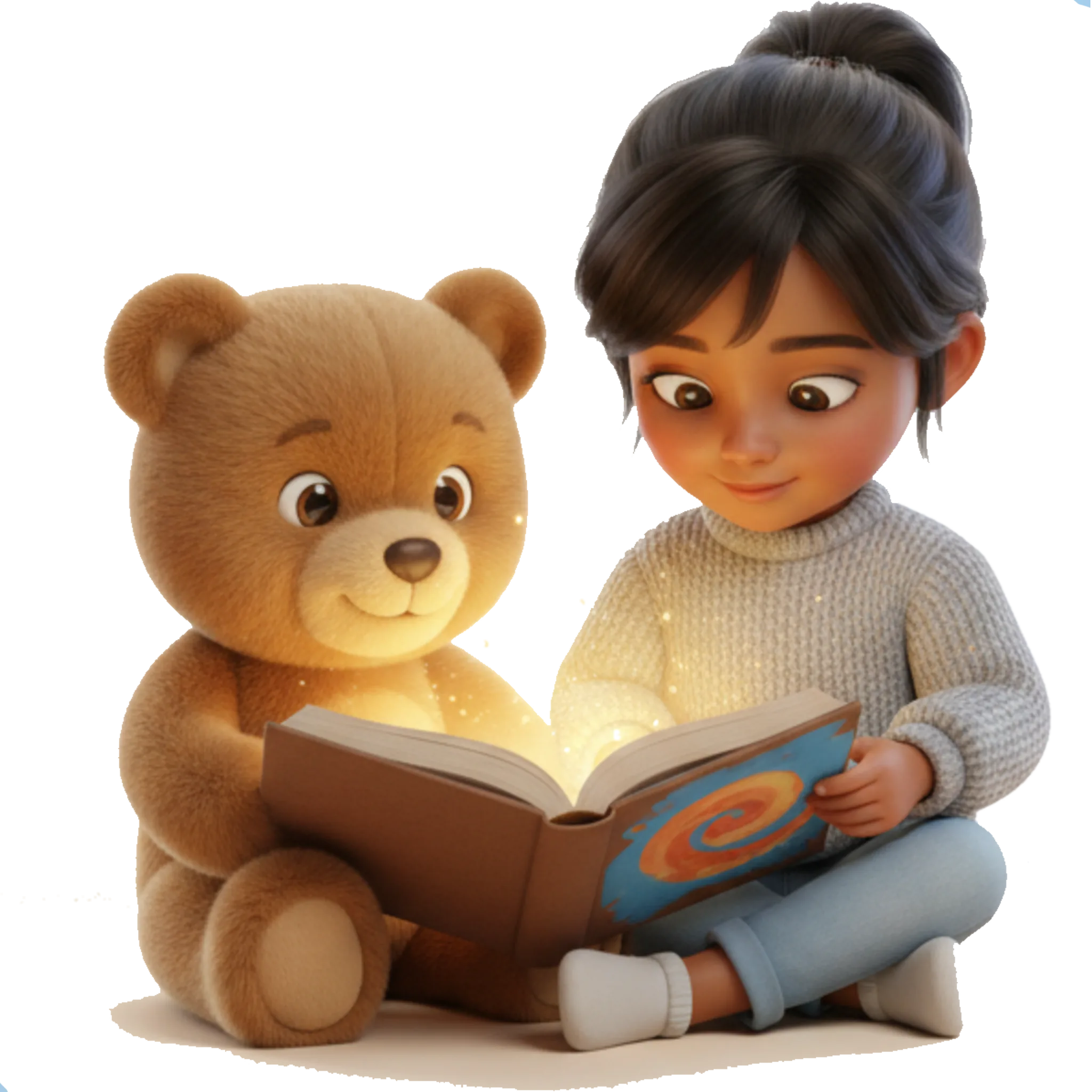
Reading books together is a powerful way to nurture empathy, kindness, and understanding in young children. By exploring diverse characters and situations, children learn to recognize and appreciate different feelings and perspectives, laying the foundation for a compassionate heart. Literature offers a safe space to discuss complex emotions and social scenarios, helping children develop crucial social-emotional skills that will serve them throughout their lives.
Why Empathy Matters for Young Children
Empathy is the ability to understand and share the feelings of another. For children, it's a foundational skill that helps them form healthy friendships, resolve conflicts peacefully, and navigate the world with greater sensitivity. Developing empathy early can lead to increased emotional intelligence, better communication skills, and a stronger sense of connection to their community.
The Role of Books in Fostering Empathy
Books allow children to step into someone else's shoes, even if just for a few pages. They can experience different cultures, challenges, and triumphs from the safety and comfort of their reading nook. This imaginative journey helps children connect with characters, understand their motivations, and recognize that others might feel or think differently than they do. Picture books, with their vivid illustrations and concise narratives, are especially effective for young children aged 3-8.
Tips for Discussing Empathy Themes with Your Child
Simply reading a book isn't enough; the real magic happens in the conversation afterward. Here are some strategies to help your child process and internalize the empathetic lessons from a story:
- Ask open-ended questions: Instead of "Was that character sad?" try "How do you think [character] felt when [event happened]? Why did they feel that way?"
- Connect to personal experiences: "Has anything like this ever happened to you? How did it make you feel?"
- Discuss character motivations: "Why do you think [character] did that? Was it a kind choice? What else could they have done?"
- Explore different perspectives: "How would the story be different if we heard it from [another character]'s point of view?"
- Identify solutions: "If you were in the story, what would you do to help [character]?"
- Reinforce positive actions: Point out moments of kindness, sharing, and understanding.
Recommended Books for Building Empathy (Ages 3-8)
This curated list features books that beautifully illustrate themes of kindness, understanding differences, helping others, and managing emotions. Remember to choose books that resonate with your child's interests and developmental stage.
For Ages 3-5: Exploring Feelings and Basic Kindness
- The Color Monster: A Pop-Up Book of Feelings by Anna Llenas: Helps children identify and categorize emotions, a crucial first step to understanding others' feelings.
- Strictly No Elephants by Lisa Mantchev: A sweet story about a boy and his pet elephant who find friendship and inclusivity when excluded from a pet club.
- A Chair for My Mother by Vera B. Williams: A touching story about a family saving coins to buy a comfortable chair after losing their belongings in a fire, highlighting generosity and collective effort.
- The Rainbow Fish by Marcus Pfister: Teaches the importance of sharing and how it can bring happiness to both the giver and receiver.
- My Many Colored Days by Dr. Seuss: Explores a range of emotions through colors, helping young children understand that feelings change and are normal.
For Ages 6-8: Understanding Perspectives and Diversity
- Wonder by R.J. Palacio (Picture Book Adaptation: We're All Wonders): A powerful story about a boy with facial differences navigating school, promoting acceptance and kindness. We're All Wonders is perfect for younger readers.
- Last Stop on Market Street by Matt de la Peña: Explores themes of gratitude, seeing beauty in everyday life, and helping others through the eyes of a young boy and his grandmother on a bus ride.
- The Invisible String by Patrice Karst: A comforting book about connection, loss, and the invisible bonds of love that tie us to those we care about, even when they're not physically present.
- I Am Enough by Grace Byers: A lyrical celebration of self-love, kindness, and respect for all, encouraging children to embrace their uniqueness and treat others with compassion.
- Each Kindness by Jacqueline Woodson: A poignant story about the missed opportunity to be kind to a new, shy student, prompting important discussions about the impact of our actions.
Beyond Books: Everyday Empathy Practices
Literature is a fantastic tool, but empathy is ultimately built through real-world interactions. Here's how you can continue to foster it daily:
- Model empathy: Children learn by observing. Show kindness, listen actively, and express understanding for others' feelings in your own interactions.
- Encourage helping behaviors: Involve your child in small acts of service, whether it's helping a sibling, sharing a toy, or contributing to household chores.
- Discuss real-life situations: When you encounter people with different backgrounds or challenges, talk about it with your child in an age-appropriate way. "That person uses a wheelchair; it helps them move around. How do you think that might feel?"
- Practice active listening: When your child expresses their feelings, validate them. "I hear you're feeling frustrated right now because your tower fell."
- Use imaginative play: Encourage role-playing scenarios where children can practice different social interactions and problem-solving.
Table: Empathy-Building Activities for Home
| Age Group | Activity Idea | Empathy Skill Reinforced |
|---|---|---|
| 3-5 years | Emotion Charades: Act out feelings (happy, sad, angry) and guess. | Recognizing and naming emotions. |
| 3-5 years | "What if?" Scenarios: "What if your friend dropped their ice cream? What could you do?" | Considering others' feelings, problem-solving. |
| 6-8 years | Volunteer (age-appropriate): Help collect food for a local drive or visit a senior center. | Understanding community needs, active contribution. |
| 6-8 years | "Perspective Swap" during conflict: "How do you think your sibling felt when you took their toy?" | Understanding different viewpoints in real situations. |
| Any age | Reading personalized stories (like those from Yasso) where the child is the hero who helps others. | Relating to characters, seeing self as agent of kindness. |
Building a compassionate heart in your child is one of the most rewarding aspects of parenting. By intentionally choosing books that highlight empathy and engaging in meaningful conversations, you're equipping them with invaluable tools for a kinder, more connected life. For personalized stories where your child is the hero, demonstrating kindness and understanding in their own unique adventures, explore Yasso today and create magical bedtime moments.
Always consult your pediatrician for personalized advice on your child's emotional development if you have specific concerns.