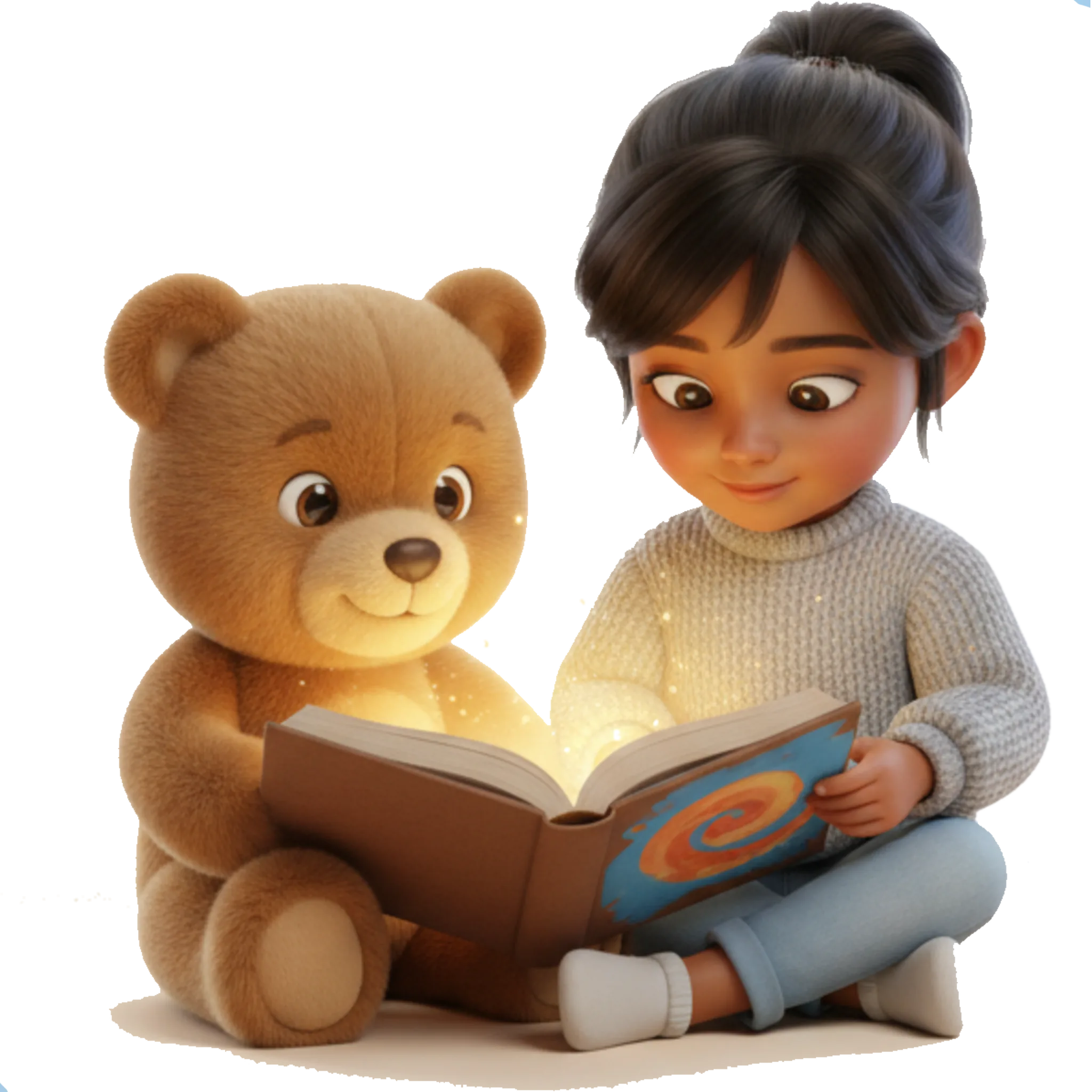
Transform car rides from mundane commutes into exciting adventures with creative storytelling games! These engaging activities spark imagination, foster language development, and provide screen-free entertainment, making travel more enjoyable for the whole family. Moving beyond traditional car games, storytelling encourages collaborative creativity and strengthens family bonds.
Why Storytelling Games Are Perfect for Car Rides
Long or short, car rides can be a challenge for parents. Screens often become the default, but storytelling games offer a refreshing alternative that engages children's minds in a different way. They are inherently portable, require no special equipment, and can be adapted for various age groups and attention spans.
Benefits for Children and Families
- Boosts Imagination & Creativity: Children learn to think outside the box and invent worlds, characters, and plots.
- Enhances Language & Vocabulary: Kids practice using descriptive words, constructing sentences, and following narrative arcs.
- Improves Listening Skills: To continue a story, children must actively listen to what others have said.
- Fosters Collaboration & Connection: Family members work together, building a shared narrative and strengthening their bond.
- Reduces Screen Time: Offers a healthy, engaging alternative to devices, reducing eye strain and promoting active mental play.
- Makes Time Fly: A captivating story can make even the longest journey feel shorter.
Getting Started: Tips for Successful Storytelling
Before you dive into the games, a few simple tips can help ensure a smoother, more enjoyable experience for everyone.
- Set the Stage: Briefly explain the game's goal. For younger children, keep it very simple.
- Lead by Example: Start the first few stories yourself to demonstrate how it works.
- Be Patient & Flexible: It's okay if stories go off-topic or get silly. The goal is participation, not a perfect plot.
- Encourage & Affirm: Praise everyone's contributions, no matter how small. "That's a great idea!" or "I love that character!" goes a long way.
- No Judgment: Emphasize that there are no wrong answers in imagination.
- Keep it Age-Appropriate: Adjust complexity. A toddler might just add a sound effect, while an older child can develop a full character arc.
Our Favorite Creative Storytelling Games
1. Round-Robin Story
This classic game is perfect for all ages and encourages collaboration. One person starts with an opening sentence, and each subsequent person adds a sentence or two, continuing the story until it reaches a conclusion.
- How to Play:
- Player 1: "Once upon a time, there was a little blue dragon who loved to bake cupcakes."
- Player 2: "But his fiery breath kept burning the frosting, which made him very sad."
- Player 3: "So, he decided to fly to the coldest mountain to find a magic ice berry that could cool his breath."
- ... and so on.
- Tips: Keep turns short for younger kids. Introduce a "story spinner" (e.g., a stuffed animal) to pass, indicating whose turn it is.
2. Story Starters & Prompts
Sometimes, a little nudge is all you need. Prepare a list of simple prompts or use objects you see outside the window to kickstart a story.
- How to Play: Pick a prompt or object. Everyone takes turns building a story around it.
- Example Prompts: "What if animals could talk?" "A hidden door appeared in our backyard..." "The lost sock finally found its way home..."
- Object Prompts: "Tell a story about that red truck." "What's happening inside that big tree?" "The cloud looks like a giant rabbit; what's its story?"
- Tips: For older kids, introduce character types (a grumpy wizard, a curious detective) or plot twists (a sudden storm, a secret message).
3. "What Happens Next?"
This game is fantastic for developing problem-solving and narrative foresight. One person starts a scenario, and others contribute to how the characters react and what unfolds.
- How to Play:
- Player 1: "A brave knight was walking through a dark forest when suddenly, a giant, friendly bear blocked his path."
- Player 2: "The knight wasn't scared; he wondered if the bear needed help."
- Player 3: "The bear grumbled and pointed a huge claw towards a beehive high in a tree, clearly wanting honey."
- ... and so on.
- Tips: Encourage imaginative solutions and unexpected turns. You can also play this by pausing a favorite audiobook or podcast and asking, "What do you think happens next?"
4. Alphabet Adventure
Combine letter practice with storytelling! Each person adds a sentence, and that sentence must start with the next letter of the alphabet.
- How to Play:
- Player 1 (A): "Alligators are excellent at tap dancing, especially when it rains."
- Player 2 (B): "But sometimes, their big feet get a little tangled up."
- Player 3 (C): "Clearly, they needed special tap shoes designed for webbed feet."
- ... and continue through the alphabet. If you reach Z, start over!
- Tips: This game can be challenging, so it's best for children who are comfortable with the alphabet. Offer help if someone gets stuck.
5. Character and Setting Grab Bag
Before you leave, write down a few characters (e.g., a space alien, a talking squirrel, a sleepy pirate) and settings (e.g., a magical forest, a giant cupcake factory, under the sea) on separate slips of paper. Fold them and put them into two bags.
- How to Play: Draw one character and one setting. Everyone takes turns creating a story that features both.
- Tips: Add a "problem" grab bag for older kids (e.g., lost their map, a surprise monster, a broken key) to make the plot more complex.
Age-Specific Adaptations
Tailor these games to your child's developmental stage for maximum engagement.
| Age Group | Adaptation Tips |
|---|---|
| Toddlers (0-2) | Focus on sounds, simple actions, and repetition. You can narrate what you see outside in a story format, asking "What's that sound?" or "What does the doggie say?" |
| Preschoolers (3-5) | Keep turns very short (one phrase or sound effect). Use lots of animal characters and familiar settings. Ask open-ended questions like "Then what happened?" |
| Early Elementary (6-8) | Introduce more complex characters and simple conflicts. Encourage descriptive language and logical sequencing. They might enjoy drawing scenes from the story during a stop. |
| Older Children (9-10+) | Challenge them with plot twists, character development, and genre themes (mystery, fantasy, sci-fi). They can even take notes or create a "story map." |
Beyond Car Rides: Keep the Storytelling Going
The beauty of these games is that they aren't confined to the car. You can bring them into your daily routines. For instance, before bedtime, instead of reading a pre-written story, you can collaboratively create one. This is exactly where tools like Yasso shine. Imagine your child as the hero of a brand new adventure, created just for them, with unique illustrations and narration. It's a wonderful way to continue fostering that love for narrative and imagination.
So next time you buckle up, remember you have the power to turn a simple journey into an unforgettable saga. Happy storytelling!