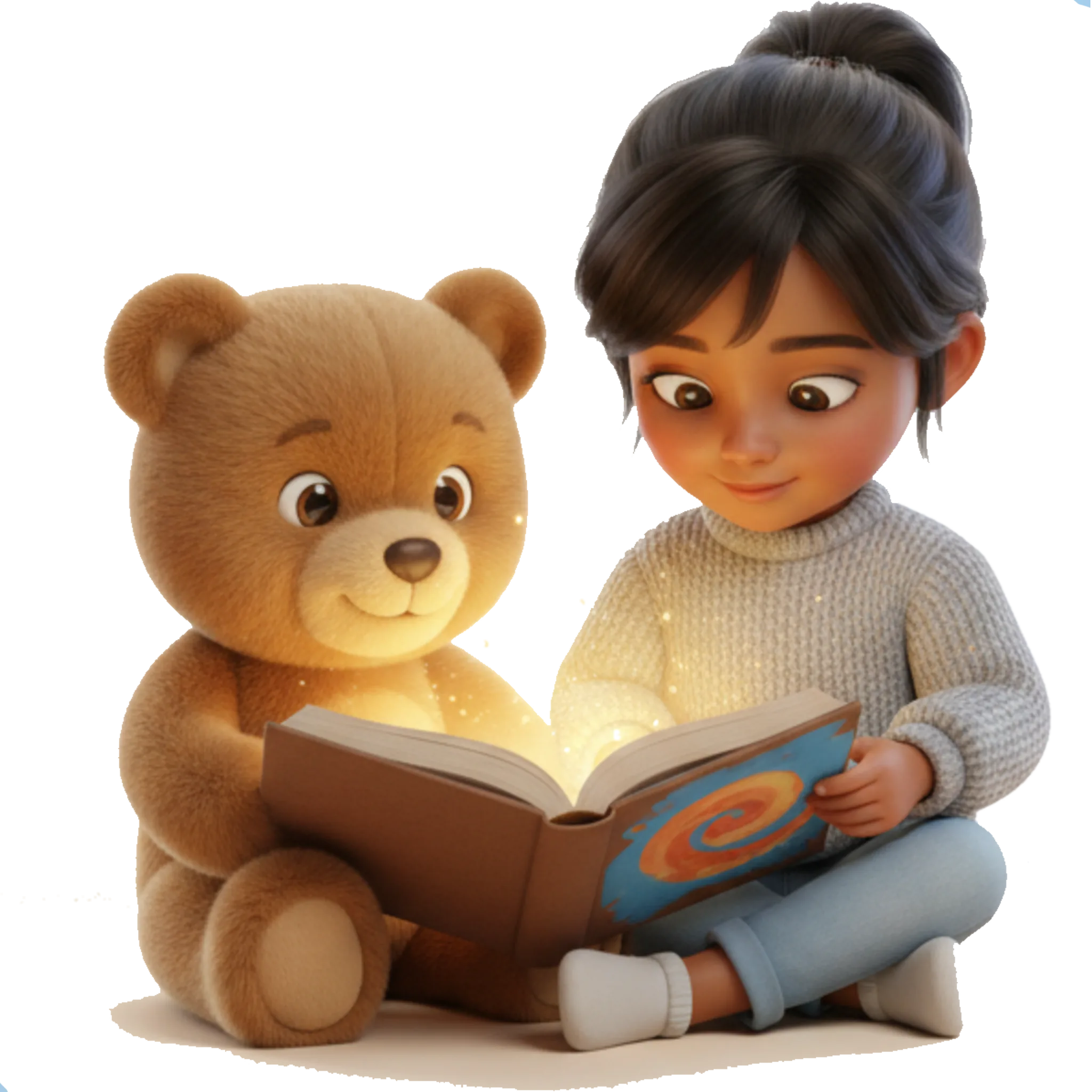
Engaging children in creative storytelling is a powerful way to boost their imagination, language development, and critical thinking skills. Simple prompts and interactive techniques can transform everyday moments into exciting narrative adventures, fostering a lifelong love for stories and self-expression. By providing a low-pressure environment and a little guidance, parents can unlock their child's inner storyteller.
Why Storytelling Matters for Young Children
Storytelling is more than just entertainment; it's a fundamental tool for child development. When children create stories, they're not just making things up; they're actively building their cognitive and linguistic abilities. This process helps them make sense of the world around them, explore emotions, and develop crucial social skills.
Benefits of Creative Storytelling
- Boosts Imagination and Creativity: Children learn to think outside the box, generate novel ideas, and connect disparate concepts.
- Enhances Language Development: It expands vocabulary, improves sentence structure, and refines narrative sequencing. Children learn to use descriptive words and express complex thoughts.
- Develops Problem-Solving Skills: Crafting a plot often involves introducing challenges and finding solutions, encouraging logical thinking.
- Strengthens Emotional Intelligence: Stories provide a safe space to explore different emotions, perspectives, and social dynamics. Children can process their feelings and understand others better.
- Improves Communication Skills: Articulating ideas clearly and coherently is a skill honed through regular storytelling practice.
- Fosters Parent-Child Bonding: Sharing stories creates a special, imaginative space for connection and shared joy.
Getting Started: Setting the Stage for Storytelling
Creating a welcoming and low-pressure environment is key. Remember, there's no right or wrong way to tell a story. The goal is exploration and fun, not perfection.
Tips for Parents
- Be a Listener, Not a Judge: Let your child lead the narrative. Avoid correcting grammar or plot inconsistencies. Focus on encouraging their effort.
- Model Enthusiasm: Show genuine interest in their ideas. Use encouraging words like, "That's a fascinating idea!" or "Tell me more!"
- Make it Playful: Integrate storytelling into playtime, car rides, or bedtime routines. It shouldn't feel like a chore.
- Keep it Open-Ended: Avoid questions that have a simple "yes" or "no" answer. Encourage elaboration.
- Use Visual Aids: Pictures, toys, or even everyday objects can be great starting points.
Engaging Storytelling Prompts for Ages 3-8
Here are some age-appropriate prompts and techniques to spark your child's imagination. Adjust complexity based on your child's developmental stage.
1. Object-Based Story Starters
Pick a random object and ask, "What if this object could talk? What would it say?" or "Where did this object come from before it came to us?"
- A quirky button: "This button fell off a wizard's cloak! What happened next?"
- A shiny rock: "Imagine this rock is actually a tiny spaceship. Who is inside?"
- A forgotten shoe: "Whose shoe is this, and what adventure did they have right before they lost it?"
2. Picture-Based Adventures
Use a picture book without reading the text, a magazine image, or even a drawing your child made. Ask:
- "What's happening in this picture?"
- "Who are these characters, and what do they want?"
- "What do you think happened before this picture, and what will happen next?"
3. "What If" Scenarios
These prompts encourage imaginative problem-solving and divergent thinking.
- "What if animals could talk, but only on Tuesdays?"
- "What if your favorite toy suddenly came to life? What would you do together?"
- "What if you woke up with superpowers today? What would they be, and how would you use them?"
4. Character & Setting Twists
Combine familiar elements with unexpected ones.
- Familiar Character + New Problem: "What if Goldilocks met a friendly bear who invited her to tea, but his house was made of jelly?"
- Everyday Setting + Magical Element: "One day, the swings at the park started flying to the moon! Who was on them?"
- Unlikely Friends: "Imagine a tiny mouse and a giant elephant became best friends. What kind of adventures would they have?"
5. Collaborative Storytelling
Take turns adding sentences or ideas to build a story together. This is excellent for fostering cooperative play and active listening.
- Round Robin Story: "Once upon a time..." (child adds a sentence), "And then..." (parent adds a sentence), and so on.
- "Yes, And" Game: Build on each other's ideas without negating them. Parent: "A brave knight set off on a quest..." Child: "Yes, and he rode a rainbow unicorn!" Parent: "Yes, and the unicorn could fly to a land of gummy bears!"
Tips for Different Age Groups
| Age Group | Approach & Prompts | Key Focus |
|---|---|---|
| 3-4 Years Old | Simple "What if" questions, object stories, collaborative "add a sentence." Focus on character identification and simple actions. | Vocabulary, basic sequencing, emotional expression. |
| 5-6 Years Old | Picture prompts, "hero's journey" with a clear problem and solution. Encourage more detail and dialogue. | Plot development, cause and effect, descriptive language. |
| 7-8 Years Old | Complex "What if" scenarios, character development, introducing twists. Encourage independent storytelling and longer narratives. | Advanced vocabulary, complex sentence structure, theme exploration, critical thinking. |
Taking Storytelling Further
Once your child enjoys creating stories, there are many ways to deepen their engagement:
- Record Their Stories: Use a voice recorder or video camera. Listening back can be incredibly fun and boost their confidence.
- Illustrate Their Stories: Turn their words into drawings or even a little homemade book.
- Act Out Stories: Use puppets, dress-up clothes, or simply act them out yourselves.
- Introduce Personalized Storytelling: Apps like Yasso can take your child's imagination to the next level by creating personalized, illustrated, and narrated storybooks where they are the hero. This can be a wonderful way to see their own ideas come to life in a magical way.
- Visit the Library: Read diverse stories to expose them to different narrative structures and genres, inspiring their own creations.
Embracing creative storytelling with your child is a journey of discovery and connection. It's not just about building skills; it's about nurturing their unique voice and showing them that their imagination is a powerful, limitless place. So, grab a curious object, look at a picture, or simply ask "What if...?" and see where your child's amazing stories take you both!