The Power of Sibling Bonds
Nurturing a strong sibling bond is a cornerstone of a harmonious family, offering children lifelong companionship, support, and opportunities for social-emotional growth. By actively engaging siblings in shared activities, fostering cooperation, and teaching empathy, parents can significantly reduce conflict and help their children build lasting, positive relationships. These early experiences lay the groundwork for strong family ties and valuable social skills.
While sibling rivalry is a normal part of growing up, parents play a crucial role in steering these interactions toward positive connection rather than constant conflict. The goal isn't to eliminate disagreements entirely, but to equip children with the tools to resolve them constructively and appreciate each other's unique qualities.
Understanding Sibling Dynamics Across Ages
The activities and strategies you employ will naturally evolve as your children grow. What works for a toddler and a preschooler might differ from what engages a 7-year-old and a 10-year-old. Understanding these age-specific dynamics is key.
Ages 2-5: Building Early Connections
At this age, children are learning about sharing, taking turns, and understanding basic emotions. Structured play with gentle guidance is most effective.
- Parallel Play with Proximity: Even if they aren't directly interacting, playing near each other with similar toys (e.g., two sets of blocks) helps them get used to each other's presence. Narrate their actions: "Look, Maya is building a tall tower, and Liam is making a long train!"
- Simple Turn-Taking Games: Introduce games like rolling a ball back and forth, simple board games designed for toddlers, or helping each other put toys away. Emphasize "my turn, your turn."
- Shared Sensory Experiences: Playdough, water tables, or sandpits provide engaging, low-pressure environments where siblings can explore together without intense competition.
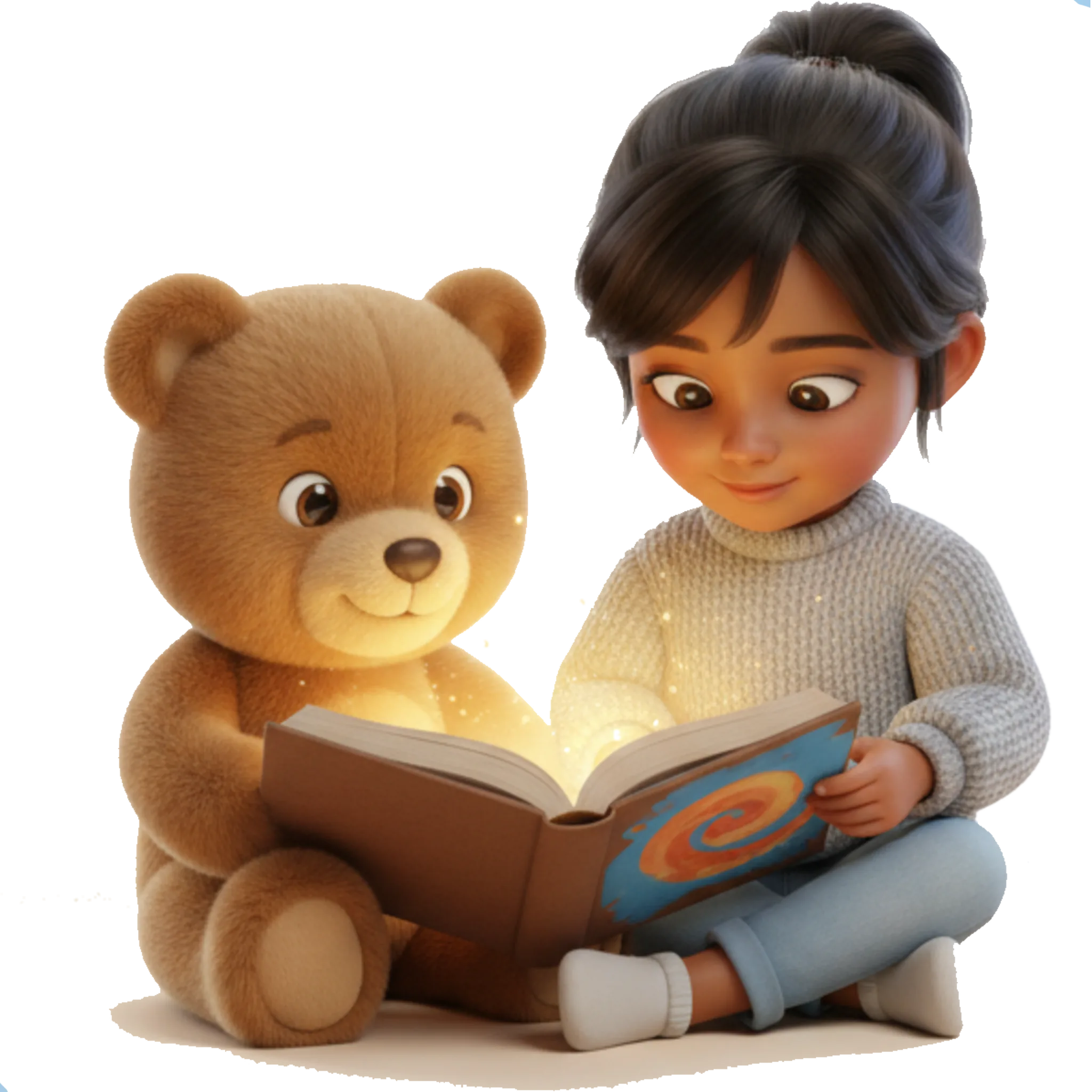
- Reading Together: Cuddle up with a big picture book. Even if the younger one just points at pictures, the shared physical closeness and calm activity build positive association.
Ages 5-8: Developing Cooperation and Empathy
Children in this age range are ready for more structured cooperative play and can begin to understand another's perspective.
- Collaborative Art Projects: A large sheet of paper and a variety of art supplies can become a canvas for a "family mural." Or, task them with decorating a shared fort or cardboard box.
- Building Challenges: Provide LEGOs, magnatiles, or K'nex with a joint goal: "Can you build a house for this teddy bear together?" or "Let's see who can build the tallest tower that stands for 30 seconds."
- Outdoor Adventures: A trip to the park, a nature walk, or simply playing in the backyard offers space for active, shared play. Encourage them to "discover" things together.
- Role-Playing Games: "House," "school," or "vet's office" allows them to negotiate roles, practice empathy, and solve pretend problems.
Ages 8-10: Teamwork and Deeper Understanding
Older children can engage in more complex tasks that require strategic thinking and genuine teamwork.
- Board Games and Card Games: Cooperative board games (where everyone works against the game itself) are excellent. Even competitive games can teach good sportsmanship if guided.
- "Sibling Projects": Plan a simple cooking project (e.g., baking cookies), gardening task, or setting up a family movie night. Give them specific roles to achieve a shared outcome.
- Creative Storytelling: One child starts a story, the next adds a sentence, and so on. This fosters listening, creativity, and shared imagination. Our Yasso app can be a wonderful tool here, allowing them to create personalized stories where they are the heroes, working together to overcome challenges.
- Active Team Sports: Kicking a soccer ball around, playing catch, or even a simple game of tag encourages physical activity and coordination together.
Strategies for Parents: Beyond Activities
Activities alone aren't enough; your parenting approach significantly impacts sibling dynamics.
Model Positive Relationships
Children learn by watching. Demonstrate kindness, respect, and effective conflict resolution in your own relationships, especially with your co-parent.
Avoid Comparisons
Every child is unique. Comparing siblings, even positively ("Why can't you be more like your sister?"), breeds resentment and competition. Celebrate their individual strengths.
Teach Conflict Resolution Skills
Instead of always intervening to "solve" their problems, guide them to find solutions. Ask questions like: "What happened? How do you both feel? What could we do to make this better?" Teach them to use "I" statements.
"The most important thing a father can do for his children is to love their mother." - Theodore Hesburgh (or substitute 'parent their co-parent' for broader applicability) - This quote, while powerful, might be too indirect for a parenting advice article focused on sibling bonds. Let's stick to more direct advice.
Create "Sibling Time" Routines
Designate specific, uninterrupted time each day or week for siblings to play together without adult interference (unless needed). This could be during independent play time, or a dedicated "sibling playdate."
Encourage "Mentoring" Opportunities
Give older siblings small, appropriate responsibilities to help their younger siblings. This fosters pride and a sense of protectiveness, rather than just annoyance. "Can you show your brother how to hold the crayon gently?"
Individual Attention
Ensure each child receives one-on-one time with a parent. This fills their "love tank" and reduces the need to compete for attention.
When Conflict Arises: A Parent's Role
Conflict is inevitable, but how you handle it shapes their ability to resolve future disagreements.
- Stay Calm: Your calm presence is reassuring.
- Separate if Needed: If emotions are running too high, separate them briefly to cool down.
- Listen to Both Sides: Give each child a chance to express their feelings without interruption.
- Validate Feelings: "I understand you're frustrated that your toy was taken."
- Facilitate Problem-Solving: "How can we share this toy so you both get a turn?" Guide them to brainstorm solutions.
- Reinforce Positive Behavior: Praise them when they share, compromise, or resolve an issue peacefully.
Sibling Bond Checklist: Is Your Family Nurturing Connection?
| Strategy | Ages 2-5 | Ages 5-8 | Ages 8-10 |
|---|---|---|---|
| Shared Playtime | ✓ Guided parallel play, simple turn-taking | ✓ Collaborative building, outdoor play, role-playing | ✓ Cooperative board games, team projects, creative storytelling |
| Conflict Resolution Teaching | ✓ Basic turn-taking, "my turn, your turn" | ✓ "I" statements, guided problem-solving | ✓ Independent negotiation, structured compromise |
| Parental Modeling | ✓ Consistently | ✓ Consistently | ✓ Consistently |
| Individual Attention | ✓ Daily | ✓ Daily | ✓ Daily |
| Avoid Comparisons | ✓ Crucial | ✓ Crucial | ✓ Crucial |
| Mentoring Opportunities | ✓ Simple "helping" tasks | ✓ Showing younger sibling skills | ✓ Guiding and teaching |
For any specific concerns about sibling relationships or conflict, please consult your pediatrician or a child development specialist.
Building strong sibling bonds takes time, patience, and consistent effort, but the rewards are immeasurable. By creating an environment that values shared experiences, cooperation, and mutual respect, you're giving your children a precious gift that will enrich their lives for years to come. Why not try creating a personalized story with Yasso tonight, where your children embark on an adventure together, reinforcing the joy of teamwork and connection?