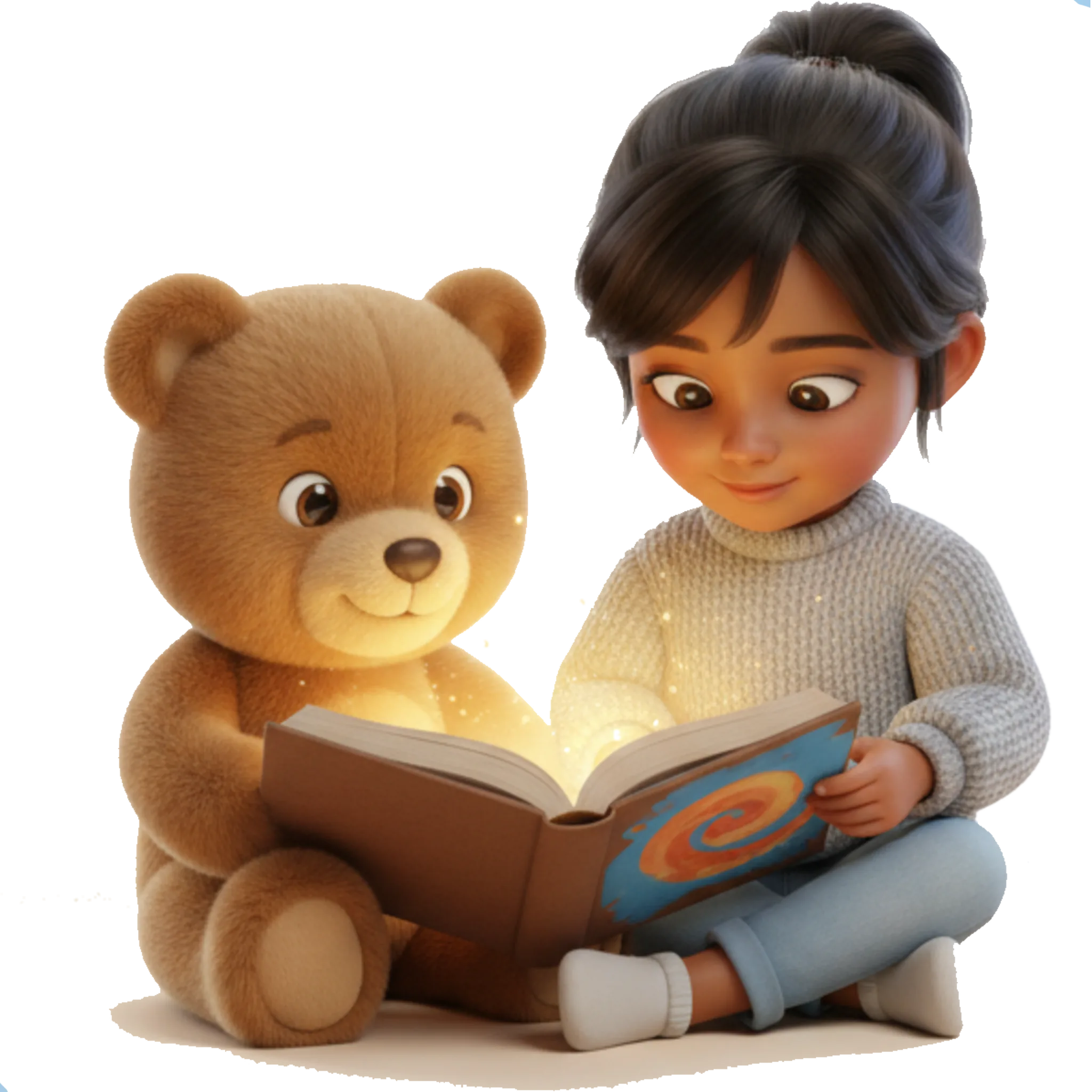
Helping children understand and manage their big feelings like fear, anger, and sadness is a cornerstone of emotional intelligence. By validating their emotions and providing simple language and coping strategies, parents can empower kids to navigate their inner world with confidence. This approach fosters resilience and strengthens your parent-child bond, teaching them that all feelings are okay to have, even if some actions are not.
Why Talking About Feelings Matters
Children experience a wide range of intense emotions, just like adults, but often lack the vocabulary and cognitive tools to process them. When feelings are ignored or dismissed, children can internalize that their emotions are bad or unacceptable, leading to struggles with self-esteem, anxiety, and behavioral issues. Openly discussing feelings helps children develop self-awareness, empathy, and problem-solving skills, which are crucial for healthy relationships and overall well-being.
Building an Emotional Vocabulary
Just as we teach children their ABCs, we need to teach them their emotional vocabulary. Start with basic feeling words (happy, sad, mad, scared) and gradually introduce more nuanced terms (frustrated, worried, excited, disappointed). Using feeling words in everyday conversation, describing your own emotions, and pointing out emotions in books or TV shows can make this a natural part of their learning.
- Label feelings: "It looks like you're feeling frustrated right now."
- Connect feelings to situations: "You seem happy because you got to play with your friends."
- Read books about feelings: Many children's books specifically address different emotions.
Scripts for Common Big Feelings
Here are some adaptable scripts and strategies for helping your child process fear, anger, and sadness. Remember to stay calm, listen actively, and offer comfort.
When Your Child is Scared (Fear & Worry)
Fear is a primal emotion essential for safety, but it can also be overwhelming for children, whether it's fear of monsters, the dark, or school. Validate their fear and help them find ways to feel safe.
Parent Script for Fear: "I see you're feeling scared right now. It's okay to feel scared. Lots of people feel scared sometimes, even grown-ups. What part feels scary to you? Let's take a deep breath together. We can find a way to make you feel safe."
Practical Strategies for Fear:
- Acknowledge and Validate: "That noise sounded really loud, and I can see why it startled you."
- Name the Feeling: "It sounds like you're feeling worried about your first day of school."
- Problem-Solve (Age-Appropriate): For fear of the dark, "What might help you feel braver? A night light? A special blanket?" For a worry about an upcoming event, "What's one thing we can do today to prepare and make it feel less scary?"
- Deep Breathing: Teach simple techniques like "smell the flower, blow out the candle."
- Grounding Techniques: Ask them to name 5 things they can see, 4 things they can touch, 3 things they can hear, 2 things they can smell, 1 thing they can taste.
When Your Child is Angry (Frustration & Rage)
Anger is often a secondary emotion, masking feelings like frustration, sadness, or helplessness. Help your child understand what triggers their anger and how to express it without hurting themselves or others.
Parent Script for Anger: "I can see you're feeling really angry right now, and it's okay to feel angry. Your body is telling me you're having a big feeling. What happened? How can we get some of that angry energy out safely?"
Practical Strategies for Anger:
- Give Space and Time: Sometimes a child needs a moment to cool down. "I can see you're really mad. Let's find a calm space until you feel ready to talk."
- Identify the Root Cause: "Were you hoping to keep playing? Were you feeling frustrated because your tower fell?"
- Safe Outlets for Anger:
- Squeeze a stress ball or pillow.
- Punch a pillow (not a person or wall).
- Stomp their feet (on the ground).
- Draw their angry feelings.
- Run around outside.
- Take a few loud, deep breaths.
- Teach "I" Statements: For older children, "I feel angry when you take my toy without asking, because I wasn't finished playing."
When Your Child is Sad (Disappointment & Grief)
Sadness is a natural response to loss, disappointment, or empathy. It's important to allow children to experience and express sadness without trying to "fix" it immediately.
Parent Script for Sadness: "It looks like you're feeling really sad, sweetheart. It's okay to be sad. I'm here for you. Do you want a hug, or do you want to tell me about it?"
Practical Strategies for Sadness:
- Offer Comfort: A hug, a gentle touch, or just sitting quietly beside them.
- Listen Empathetically: "That sounds really disappointing that your friend couldn't come over." Avoid minimizing their feelings.
- Validate and Normalize: "It's natural to feel sad when things don't go as planned."
- Encourage Expression: "Sometimes talking about it helps, or maybe drawing how you feel."
- Distraction (Gentle, Not Dismissive): Once they've had a chance to express sadness, you might gently suggest an activity: "Would you like to read a story together, or do some drawing?"
General Tips for Discussing Big Feelings
Consistency and patience are key when helping children navigate their emotions.
Model Healthy Emotional Expression
Children learn by watching. Share your own feelings in an age-appropriate way: "I'm feeling a little frustrated because I can't find my keys right now. I'm going to take a deep breath." This shows them that emotions are normal and that there are healthy ways to cope.
Use Play and Stories
Play is a child's natural language. Use puppets, dolls, or drawing to explore feelings. Storytelling is also incredibly powerful. Books, and even personalized stories where your child is the hero, can offer safe spaces to explore complex emotional landscapes. For instance, creating a personalized story with Yasso where the main character faces a big challenge and learns to manage their worry can be a profound way for your child to process similar emotions.
Create a Calm-Down Kit or Corner
Designate a special spot in your home with items that help your child self-regulate. This might include: soft blankets, pillows, sensory toys (fidgets, stress balls), books, art supplies, or a playlist of calming music.
When to Seek Professional Help
While big feelings are normal, if your child's emotions seem persistently overwhelming, are significantly impacting their daily life, sleep, or eating, or involve self-harming behaviors, please consult your pediatrician. They can offer guidance or refer you to a child psychologist or therapist.
Comparison Table: Helping Kids with Big Feelings
| Strategy | What It Is | Why It Helps | Example Phrase |
|---|---|---|---|
| Validate Feelings | Acknowledge and accept their emotion without judgment. | Makes them feel heard and understood; builds trust. | "I hear you're feeling really angry." |
| Name the Feeling | Help them put a word to what they're experiencing. | Builds emotional vocabulary; reduces confusion. | "It sounds like you're feeling frustrated." |
| Problem-Solve Together | Collaborate on solutions once they are calm. | Teaches coping skills and self-efficacy. | "What could we do next time you feel this way?" |
| Teach Coping Skills | Offer specific tools for managing intense emotions. | Empowers them to self-regulate. | "Let's try 5 deep breaths together." |
| Model Emotions | Show them how you handle your own big feelings. | Provides a real-life example of emotional regulation. | "I'm feeling a bit stressed, so I'm going to take a break." |
Talking to your children about big feelings is an ongoing journey that strengthens your relationship and equips them with vital life skills. By consistently creating a safe space for them to express themselves, you're building a foundation of emotional resilience that will serve them well throughout their lives. Keep practicing these strategies, and watch your child grow into a more emotionally intelligent individual. And remember, for even more engaging ways to explore emotions, consider creating a personalized story with Yasso!