Teaching mealtime manners to young children doesn't have to be a battle. By focusing on positive reinforcement, setting clear expectations, and making mealtimes enjoyable, parents can gently guide children aged 2-7 toward good table etiquette without resorting to power struggles. The goal is to cultivate pleasant family meals and equip children with social skills that will serve them well for a lifetime.
Why Mealtime Manners Matter
Beyond simply making family meals more pleasant, teaching manners helps children develop crucial social skills and self-regulation. Learning to wait their turn, ask politely, and share contributes to their overall emotional intelligence and ability to navigate social situations successfully. It also fosters a sense of respect for others and appreciation for the shared experience of eating together.
Benefits of Good Table Etiquette for Kids:
- Enhanced Social Skills: Practicing manners helps children understand social cues and expectations.
- Improved Self-Regulation: Waiting for food or using utensils correctly builds patience and impulse control.
- Increased Confidence: Knowing how to behave at the table can make children feel more comfortable in various social settings.
- Positive Family Dynamic: Pleasant mealtimes reduce stress for everyone and strengthen family bonds.
- Respect for Food & Others: Learning to appreciate the effort involved in preparing a meal and respecting fellow diners.
Setting the Stage for Success: Pre-Meal Prep
A successful meal begins long before the food hits the table. Preparing both the environment and your child can significantly reduce potential conflicts.
Create a Calm Environment
- Minimize Distractions: Turn off screens, put away toys, and ensure the dining area is calm.
- Comfortable Seating: Ensure your child can comfortably reach the table and has stable seating. A booster seat or high chair (for younger ones) can make a big difference.
- Involve Them: Let children help set the table, even if it's just placing napkins or unbreakable cups. This gives them ownership and investment in the meal.
Age-Appropriate Expectations
Remember that a 2-year-old's capabilities are very different from a 7-year-old's. Start small and build up. For younger children, focus on basics like staying seated and trying foods. Older children can progress to more complex manners like polite conversation.
Gentle Strategies for Teaching Manners
Power struggles often arise when parents try to force behaviors. Instead, aim for guidance and positive modeling.
1. Model Good Behavior
Children are excellent imitators. Be the example you want them to follow. Use "please" and "thank you," chew with your mouth closed, and engage in polite conversation. They will naturally pick up on your habits over time.
2. Start Small and Be Consistent
Introduce one or two manners at a time. For a 2-year-old, it might be "sit on your bottom" and "use your spoon." For a 4-year-old, perhaps "say please and thank you" and "keep food on your plate." Consistency across all caregivers is key.
3. Use Positive Reinforcement
Praise specific good behaviors immediately. "I love how you asked for more carrots so politely!" or "Great job keeping your food on your plate!" This encourages them to repeat the desired actions. Avoid focusing solely on what they do wrong.
4. Make it Fun and Engaging
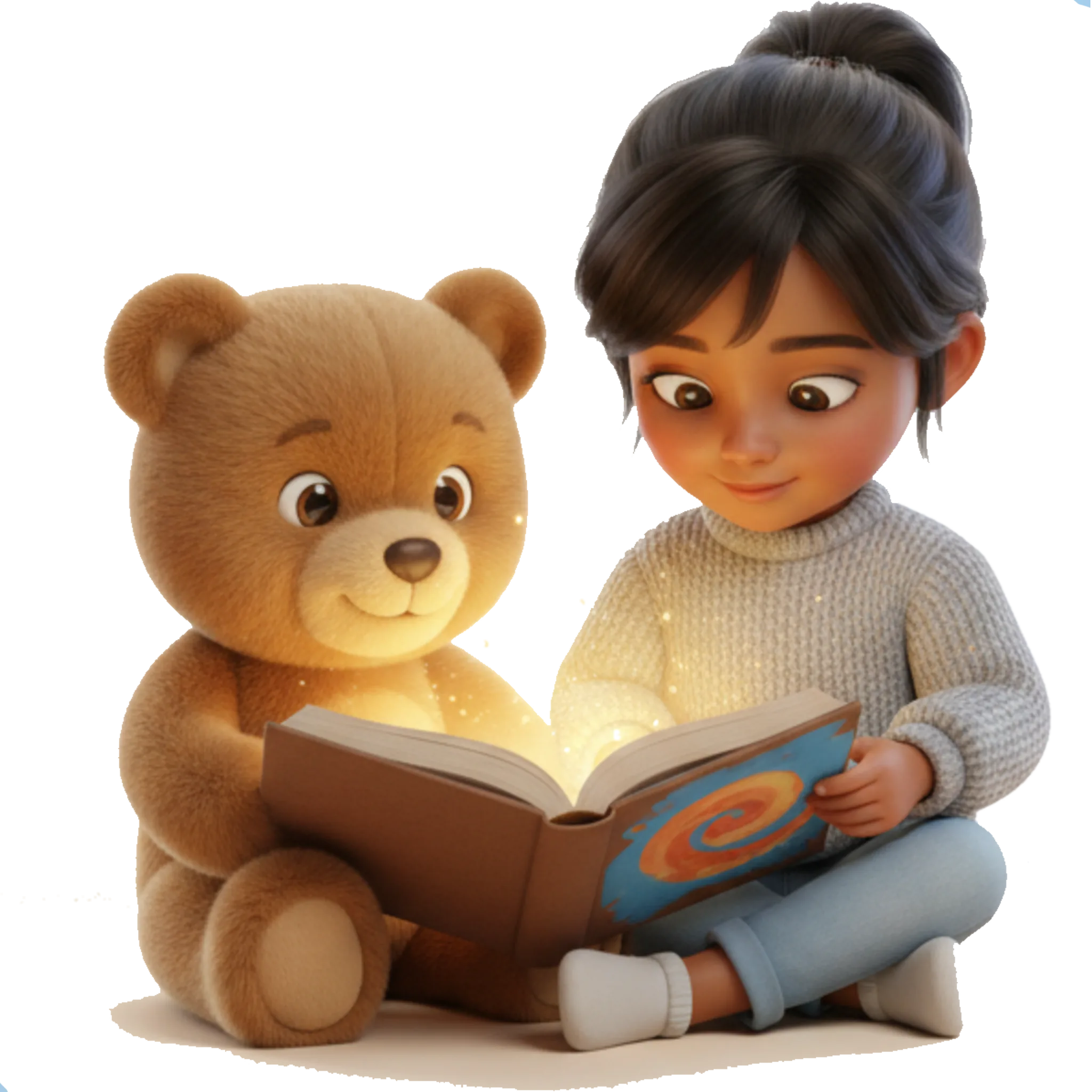
- Story Time: Read books about good manners. Yasso can even help create personalized stories where your child is the hero learning about kindness and good manners at a feast!
- Play Pretend: Practice manners during playtime with dolls or stuffed animals.
- Manners Chart: For older children (4+), a simple chart with stickers for good manners can be a fun visual reminder.
5. Gentle Reminders, Not Lectures
Instead of "Stop chewing with your mouth open!" try a gentle, "Remember our 'lips together' rule when we chew?" A calm touch on their arm or a quiet word is often more effective than a loud correction.
6. Understand Developmental Stages
| Age Range | Key Manners to Focus On | Common Challenges & Tips |
|---|---|---|
| 2-3 Years Old |
|
|
| 4-5 Years Old |
|
|
| 6-7 Years Old |
|
|
7. Pick Your Battles Wisely
Not every meal will be perfect, and that's okay. Decide what behaviors are most important to address at each stage and let go of minor infractions. Focusing on too many rules at once can be overwhelming for both you and your child.
8. When to Step Back
If a child is tired, overly hungry, or unwell, mealtimes can be extra challenging. In these moments, relax your expectations slightly and focus on comfort and connection. Sometimes, a short break from the table or a simplified meal is the best approach.
When to Seek Further Guidance
Most mealtime challenges are part of normal development. However, if your child's mealtime behavior is consistently disruptive, causing significant family stress, or if you have concerns about their eating habits or growth, it's always a good idea to consult your pediatrician. They can offer personalized advice and rule out any underlying issues.
Teaching mealtime manners is a journey, not a destination. By approaching it with patience, positivity, and age-appropriate expectations, you can transform mealtimes from potential battlegrounds into cherished moments of connection and learning. Remember to celebrate small victories and enjoy the process of growing together as a family. Ready to inspire even more positive behaviors? Explore Yasso's personalized stories, where your child can be the star learning valuable life lessons and good manners in exciting adventures!