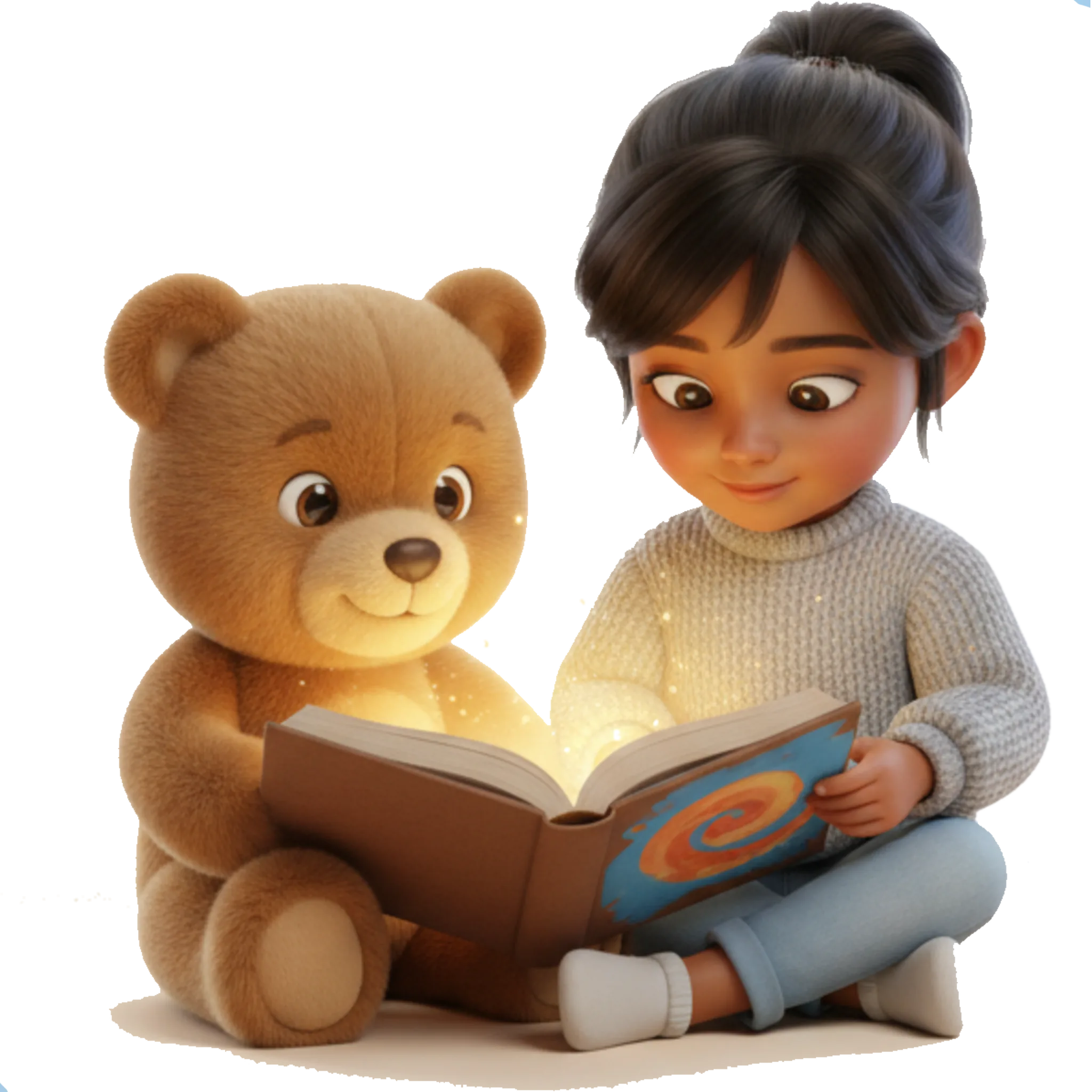
Moving beyond constant "No!" is key to fostering positive behavior in toddlers. Positive reinforcement strategies like specific praise, rewards, and consistent routines empower your child, teach self-regulation, and build a stronger parent-child bond. Instead of merely stopping unwanted actions, these methods focus on encouraging and strengthening desired behaviors, making parenting more joyful and effective.
Why "No!" Isn't Always the Answer
While "No!" has its place for immediate safety, relying on it too often can be counterproductive with toddlers. Their developing brains are wired to explore, and a constant stream of prohibitions can feel overwhelming, leading to frustration, defiance, or tuning parents out. Focusing solely on what not to do doesn't teach them what to do instead. It can also inadvertently draw attention to the very behavior you want to discourage.
The Impact of Constant Negation
- Limits learning: Toddlers learn best by doing and observing. "No!" doesn't offer an alternative action.
- Fosters frustration: When curiosity is met with constant barriers, toddlers can become angry or withdrawn.
- Damages connection: A relationship built on prohibitions can feel less warm and supportive.
- Becomes background noise: Too much "No!" can make the word lose its impact when it's truly needed for safety.
Shifting to Positive Language: Guiding, Not Just Stopping
The first step in positive reinforcement is to reframe your language. Instead of telling your child what not to do, tell them what you'd like them to do.
Using "Do" Statements
Compare these common scenarios:
| Instead of saying... | Try saying... |
|---|---|
| "Don't run inside!" | "Please use your walking feet inside." |
| "Don't throw your food!" | "Food stays on the table, please." |
| "No hitting!" | "Gentle hands, please." |
| "Don't touch that!" | "Hands off, that's for grown-ups." |
| "Don't yell!" | "Use your quiet voice inside." |
This approach gives your child clear, actionable instructions, making it easier for them to understand and comply.
The Power of Specific Praise
General praise like "Good job!" is nice, but specific praise is far more effective. It tells your toddler exactly what they did well, reinforcing that particular behavior.
How to Give Specific Praise
- Be immediate: Praise right after the desired behavior occurs.
- Be specific: Describe the action. "You put all the blocks back in the bin!" is better than "Good cleaner!"
- Connect to effort or character: "You worked so hard to put your shoes on yourself!" or "That was so kind of you to share your toy."
- Use enthusiastic but genuine tone: Your excitement is contagious.
Specific praise helps toddlers connect their actions to positive outcomes and builds their self-esteem.
Tangible Rewards and Sticker Charts (Ages 2+)
For toddlers, especially those closer to three, tangible rewards can be highly motivating. A sticker chart can visualize their progress and reinforce consistent positive actions.
Tips for Using Rewards Effectively
- Keep it simple: A sticker on a chart for a desired behavior (e.g., staying in bed, helping clean up).
- Choose small, immediate rewards: Once the chart is full, the reward should be something small and enjoyable – a special story, 15 minutes of extra playtime, choosing a snack, or a small toy.
- Focus on a few behaviors: Don't overwhelm them with too many goals at once. Start with one or two.
- Explain clearly: "Every time you help put your toys away, you get a sticker! When you get five stickers, we can read an extra story."
Creating Predictable Routines and Offering Choices
Toddlers thrive on predictability and a sense of control. Establishing consistent routines provides a framework for good behavior, and offering limited choices empowers them.
Benefits of Routine and Choice
- Reduced anxiety: Knowing what comes next helps toddlers feel secure.
- Promotes cooperation: When routines are clear, there's less room for negotiation.
- Develops independence: Choices give them agency. "Do you want to wear the blue shirt or the red shirt?" or "Do you want to read a book before bath or after?"
Remember, offer choices only when you are genuinely okay with either outcome.
Modeling Behavior and Using Storytelling
Toddlers are excellent imitators. Your actions speak volumes. Show them how you want them to behave. Furthermore, stories can be a powerful tool for teaching social-emotional skills.
- Model patience: "Oops, I dropped it. I'll pick it up calmly."
- Model sharing: Share your snack with them, saying, "Here, you can have some too."
- Read stories about characters who demonstrate kindness, sharing, or problem-solving. Consider personalized stories from Yasso, where your child is the hero, making positive choices and experiencing the good outcomes. This can make the lessons even more relatable and engaging!
- Act out scenarios: Use puppets or stuffed animals to show how to resolve conflicts or share toys.
When to Consult a Pediatrician
Most toddler behavior challenges are a normal part of development. However, if you have concerns about your child's behavior, their ability to learn or communicate, or if their behaviors seem consistently aggressive, withdrawn, or significantly disruptive, it's always wise to consult your pediatrician. They can offer personalized advice and rule out any underlying issues.
Be Patient and Consistent
Changing behavior takes time, repetition, and a lot of patience. There will be days when your toddler pushes boundaries, and that's okay. Consistency is your most powerful tool. Stick with your positive reinforcement strategies, and celebrate the small victories along the way.
Embrace these positive reinforcement techniques to nurture your toddler's growth, foster their independence, and strengthen your loving connection. Ready to make stories a part of your positive parenting toolkit? Explore Yasso and create personalized storybooks where your child is the hero, reinforcing wonderful values and behaviors with every tale.