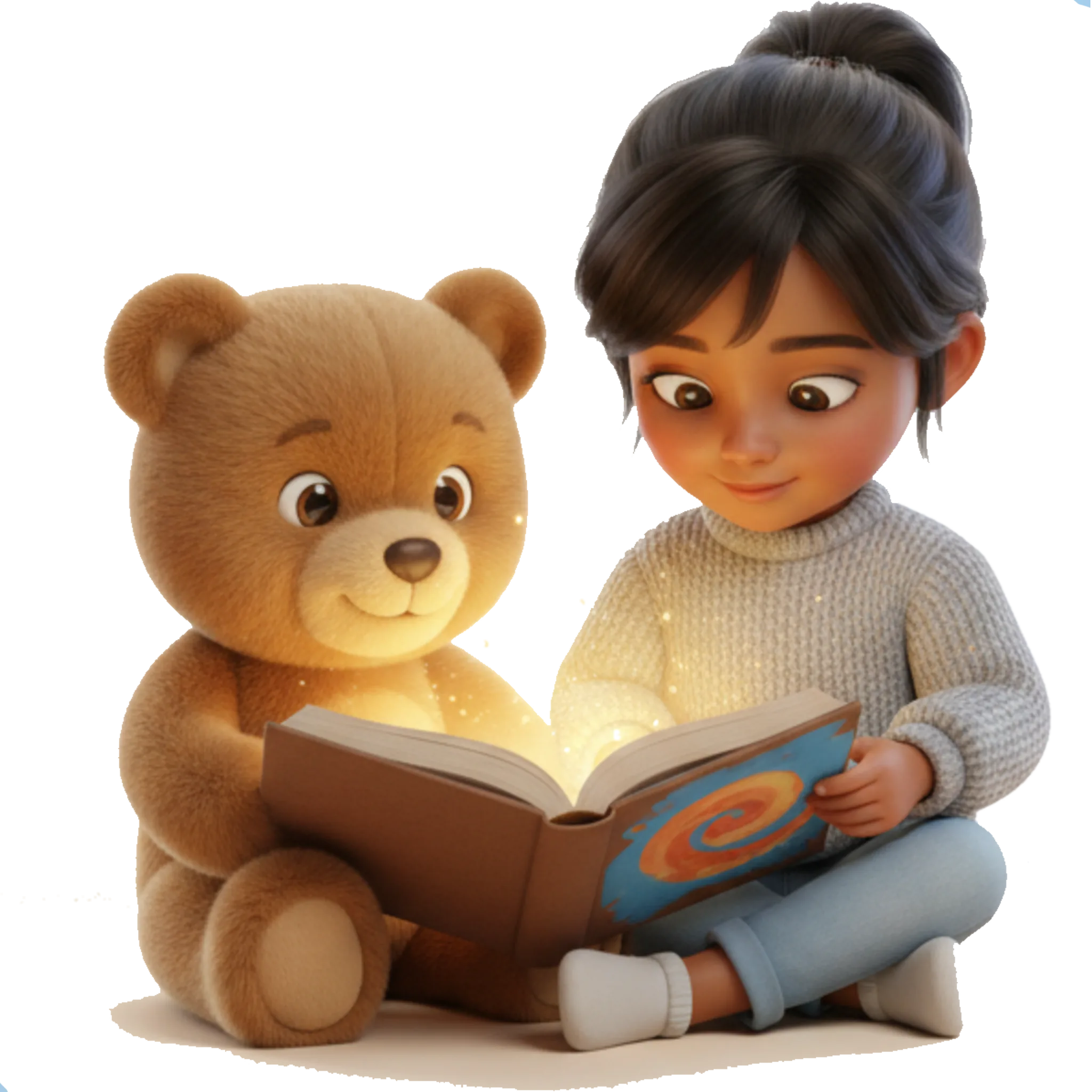
Potty training doesn't have to be a battle of wills. By focusing on your child's readiness signs and adopting a gentle, child-led approach, you can create a positive and stress-free experience for everyone. This method prioritizes patience, encouragement, and understanding your child's developmental stage, making the transition smoother and more successful.
Understanding Readiness: When to Start Potty Training
The biggest secret to successful potty training without power struggles is waiting until your child is truly ready. Readiness isn't about a specific age; it's about a combination of physical, cognitive, and emotional milestones. Pushing a child before they're ready almost always leads to frustration for both parent and child, creating resistance instead of cooperation.
Physical Readiness Signs
- Dry for Longer Periods: Your child stays dry for at least 2 hours during the day or wakes up dry from naps. This indicates their bladder muscles are maturing.
- Predictable Bowel Movements: They have regular, soft bowel movements around the same time each day, making it easier to anticipate and plan.
- Fine Motor Skills: They can pull down their pants and pull them back up independently, which is crucial for using the potty.
- Gross Motor Skills: They can walk to and sit down on a potty or toilet on their own.
Cognitive Readiness Signs
- Communicates Needs: Your child can tell you when they need to go to the bathroom, or at least shows signs like wiggling, squatting, or clutching themselves.
- Understands Instructions: They can follow simple two-step directions, like "Go to the bathroom and sit on the potty."
- Curiosity: They show interest in the toilet, ask about what you're doing, or want to wear "big kid" underwear.
- Mimicking Behavior: They imitate family members' bathroom habits.
Emotional Readiness Signs
- Desire for Independence: They express a desire to do things themselves and show interest in being a "big kid."
- Discomfort with Diapers: They might pull at a wet or soiled diaper, indicating they don't like the feeling.
- Willingness to Cooperate: They are generally cooperative and not going through a major period of defiance or change (like a new sibling or moving).
Remember, your pediatrician is a wonderful resource if you have concerns about your child's development or readiness for potty training.
The Gentle, Child-Led Approach: Steps to Success
Once you observe several readiness signs, you can begin introducing the idea of potty training in a relaxed and positive way. This approach focuses on making it an empowering journey for your child, not a task for you to complete.
1. Introduce the Potty Early and Casually
Before any "training" begins, bring a potty chair into a common area (like the living room or bathroom) and let your child explore it. Let them sit on it with their clothes on, use it for their stuffed animals, or just get used to its presence. Avoid pressure. It's just another piece of furniture for now.
2. Involve Your Child in Choices
Empowerment starts with choice. Let your child pick out their own potty seat or "big kid" underwear. This gives them a sense of ownership and excitement about the process. "Do you want the blue potty or the green one?" is more effective than "You need to use the potty now."
3. Create a Positive and Fun Environment
Make potty time a pleasant experience. Read a short book, sing a song, or tell a quick story while they're sitting. Celebrate small victories with genuine praise and high-fives, not elaborate rewards. Keep it light and positive.
"Patience is not simply the ability to wait, but how we behave while we are waiting." - Joyce Meyer. This quote beautifully encapsulates the essence of gentle potty training.
4. Establish a Loose Routine
Suggest potty time at natural transition points: after waking up, before/after meals, before naps/bedtime, and before leaving the house. Don't force it, but offer the opportunity. "Would you like to try the potty before we go to the park?"
5. Model and Explain
Let your child see you use the toilet (if you're comfortable) and explain what you're doing in simple terms. "Mommy is going pee-pee in the toilet." You can also use books and videos about potty training to normalize the process.
6. Dress for Success
Opt for clothing that is easy for your child to pull down and up independently. Elastic waistbands are your best friend during this phase. Avoid complicated snaps, buttons, or overalls.
7. Embrace Accidents as Learning Opportunities
Accidents are inevitable and a normal part of learning. React calmly, without anger or shame. "Oops, it looks like your pee-pee went in your pants this time. Let's try to get it in the potty next time." Involve them in cleaning up if appropriate (e.g., putting wet clothes in the hamper). The key is to teach, not to punish.
Potty Training Comparison: Gentle vs. Pressure-Based
| FeatureGentle, Child-Led ApproachPressure-Based Approach | ||
| Starting Point | Child's readiness signs | Parent's timeline/child's age |
| Atmosphere | Relaxed, positive, encouraging | Stressful, demanding, frustrating |
| Parent's Role | Guide, facilitator, cheerleader | Taskmaster, enforcer |
| Child's Experience | Empowering, proud, self-motivated | Resistant, anxious, ashamed |
| Accidents | Learning opportunities | Failures, sources of punishment |
| Outcome | Smoother transition, stronger bond | Prolonged struggles, potential regression |
Navigating Setbacks and Regression
It's common for children to have periods of regression, especially during times of stress, illness, or major life changes. Don't panic. Revert to a more relaxed approach, offer diapers for a short period if needed, and reassure your child that it's okay. The goal is to maintain a positive relationship with the potty, not to achieve perfection immediately.
Remember, every child is different, and their potty training journey will be unique. Celebrate their progress, no matter how small, and trust in their innate ability to learn. Just like learning to walk or talk, they will get there in their own time, with your loving support.
For more ways to nurture your child's growth and imagination, consider creating personalized storybooks with Yasso. Imagine stories where your child is the hero, learning valuable life lessons and building confidence, all while enjoying a magical bedtime routine. It's a wonderful way to connect and foster their development.