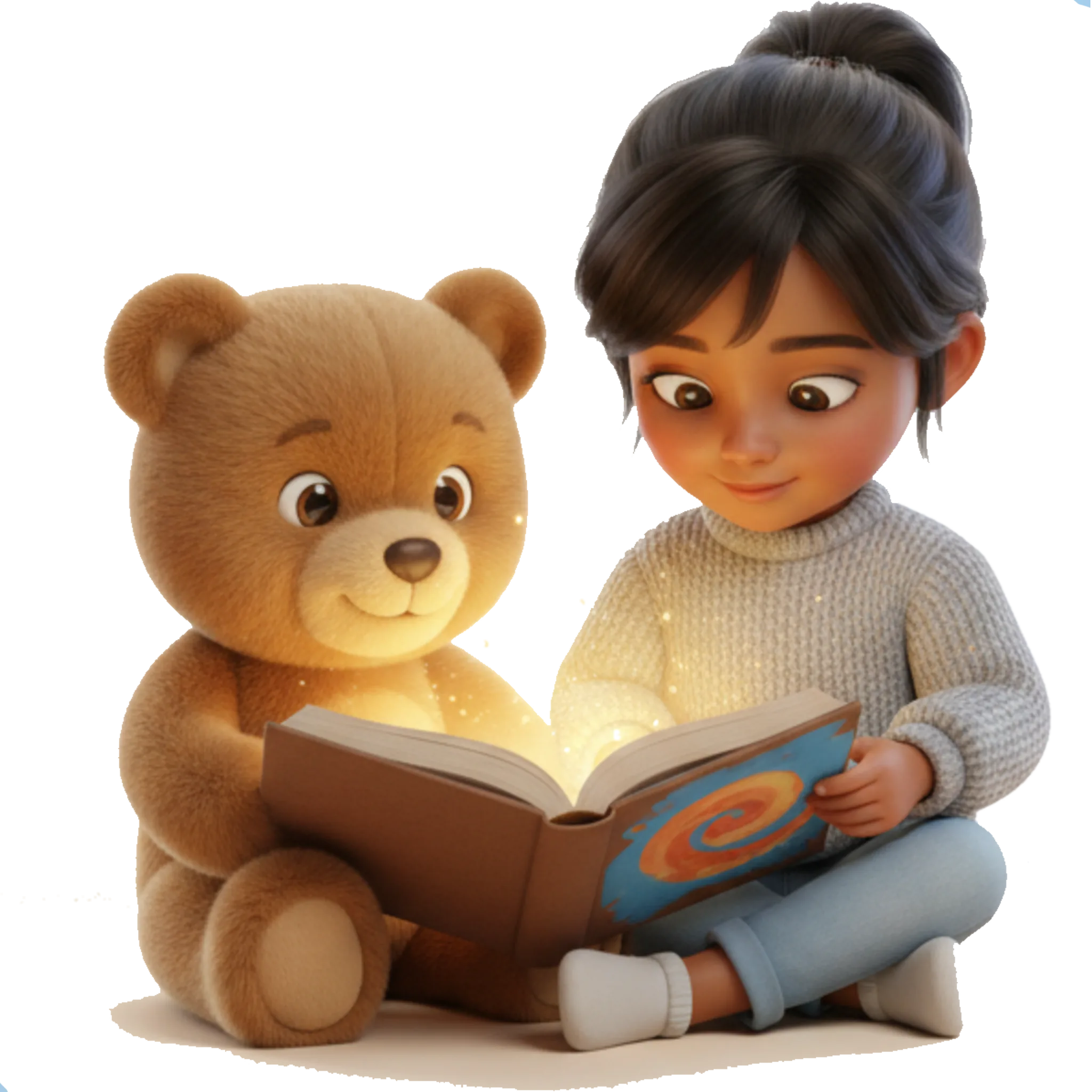
Pretend play is far more than just fun; for early elementary children (ages 5-8), it's a vital tool for developing crucial social skills, emotional intelligence, and empathy. By stepping into different roles and navigating imaginative scenarios, children learn to understand perspectives, resolve conflicts, and practice real-world interactions in a safe, creative environment. This type of play builds a strong foundation for future social success and emotional well-being.
The Magic of Stepping into Someone Else's Shoes
When children engage in pretend play, they aren't just playing; they're actively experimenting with identity, relationships, and the complexities of the world around them. This imaginative exploration is a powerful catalyst for social and emotional growth, particularly for children in the early elementary years who are rapidly expanding their understanding of social norms and interpersonal dynamics.
Developing Perspective-Taking and Empathy
- Role-Playing Different Lives: Whether they're a doctor, a chef, a superhero, or a parent, children in pretend play adopt various roles. This process forces them to consider what it's like to be someone else, fostering an understanding of different feelings, motivations, and responsibilities.
- Understanding Emotions: Pretend scenarios often involve situations that elicit strong emotions – a doll is sick, a superhero needs to save someone, or friends need to share a toy. Children learn to recognize, label, and respond to these emotions in a low-stakes environment, which is crucial for developing emotional intelligence.
- Practicing Kindness and Care: When a child pretends to care for a baby doll or help a 'lost' stuffed animal, they are actively practicing empathy and nurturing behaviors. These actions translate into greater compassion in their real-life interactions.
Honing Essential Social Skills
Pretend play is a dynamic social laboratory where children can practice and refine a wide range of interpersonal skills. It's often where the initial lessons of sharing and taking turns learned in preschool blossom into more complex social negotiation.
Communication and Negotiation
- Verbal Expression: Children must articulate their ideas, explain their roles, and convey their needs to their playmates. This strengthens vocabulary and communication skills.
- Active Listening: To successfully engage in a shared imaginative narrative, children must listen to their peers' ideas and integrate them into the ongoing story.
- Negotiating Rules and Roles: A significant part of group pretend play involves deciding on the story's direction, who plays which part, and what the 'rules' of the game are. This is rich practice for negotiation and compromise.
Conflict Resolution and Problem-Solving
Not every pretend play session runs perfectly. Disagreements over plotlines, character actions, or who gets to use a particular prop are common – and valuable. These moments are prime opportunities for children to practice conflict resolution.
- Finding Solutions: Instead of relying on adults to mediate, children often work together to find solutions that allow the play to continue. This might involve creating a new plot twist or sharing a coveted toy.
- Learning to Compromise: Realizing that giving a little helps everyone have more fun is a powerful lesson learned through shared imaginative play.
- Managing Frustration: When ideas clash, children learn to manage their frustration and find constructive ways to express their opinions, rather than simply giving up or resorting to arguments.
Structured vs. Unstructured Pretend Play
Both types of pretend play offer distinct benefits for children aged 5-8. A healthy balance of both can maximize developmental gains.
| Type of Play | Description | Benefits for Social Skills & Empathy |
|---|---|---|
| Unstructured Play | Child-led, spontaneous, no specific adult agenda. Children decide themes, roles, and rules. | Fosters creativity, self-direction, negotiation, organic conflict resolution, deep immersion in roles. |
| Structured Play | Adult-initiated or guided, with a defined theme, props, or sometimes specific learning goals (e.g., a teacher setting up a 'post office' center). | Introduces new ideas/vocabulary, encourages specific social interactions, provides scaffolding for shy children, can reinforce specific concepts (e.g., community roles). |
How Parents Can Encourage Pretend Play
As children enter elementary school, their play might become more sophisticated, but parental encouragement remains vital. Here's how you can nurture their imaginative worlds:
- Provide Open-Ended Materials: Scarves, blankets, cardboard boxes, dress-up clothes, dolls, animal figures, and blocks can become anything. The simpler the prop, the more imagination it sparks.
- Dedicate a Play Space: Even a small corner where dress-up clothes and props are easily accessible can signal that imaginative play is valued.
- Observe and Join In (When Invited): Sometimes the best thing to do is simply watch and appreciate their creativity. If invited, join their world, but let them lead. Ask open-ended questions like, "What's happening now?" or "How can I help?"
- Read and Discuss Stories: Books introduce new characters, scenarios, and emotional complexities that can inspire pretend play. Discussing character feelings helps build empathy.
- Model Empathy and Problem-Solving: Children learn by watching. When you demonstrate empathy in your own interactions and calmly work through family conflicts, you provide a powerful example.
Remember, the goal isn't to direct every moment of play, but to create an environment where imagination can flourish. Sometimes, the quietest moments of individual pretend play are just as powerful for processing thoughts and emotions as group interactions.
Observing your child during pretend play can also offer wonderful insights into their inner world – what they're thinking about, what worries them, or what excites them. It's a window into their developing understanding of people and situations.
As children grow, their pretend play evolves. From simple mimicry to complex narratives with multiple characters and intricate plots, each stage builds on the last, solidifying their social and emotional toolkit. Encouraging this powerful form of play is one of the best investments you can make in your child's holistic development.
Want to inspire even more imaginative adventures? Yasso creates personalized, illustrated, narrated bedtime stories where your child is the hero, sparking their creativity and fostering a love for storytelling. Try Yasso today and watch their imagination soar!