Preparing for preschool involves more than just academics; fostering social-emotional skills like independence, self-regulation, and cooperation is crucial for a smooth and happy transition. These foundational abilities help children thrive in a group setting, build positive relationships, and feel confident in their new environment. While learning letters and numbers is wonderful, a child's ability to manage their feelings, interact with others, and handle routine changes often dictates their initial success and enjoyment in a preschool setting.
Why Social-Emotional Skills Matter More Than Ever for Preschool
Preschool is often a child's first sustained experience in a structured group environment outside the immediate family. Here, they learn to navigate a world of new rules, expectations, and interactions with peers and teachers. Strong social-emotional skills act as the bedrock for all other learning, enabling children to engage, explore, and build resilience.
The Long-Term Impact of Early Social-Emotional Learning
Research consistently shows that a child's social-emotional competence in preschool is a strong predictor of their academic success, positive behavior, and overall well-being in later school years and even into adulthood. Children who can understand and manage their emotions, develop empathy, and build healthy relationships are better equipped to face challenges and adapt to new situations.
Key Social-Emotional Skills to Nurture
Instead of flashcards, think about everyday opportunities to build these essential skills. Remember, every child develops at their own pace, and the goal is progress, not perfection.
1. Independence and Self-Help
Preschool teachers appreciate children who can handle basic self-care. This reduces reliance on adults and builds a child's confidence.
- Dressing: Encourage your child to pull up pants, put on socks, or try zipping (even if it's not perfect).
- Hygiene: Practice washing hands independently after using the toilet and before eating.
- Eating: Let them open their lunchbox, unwrap snacks, and drink from a cup without spills.
- Tidying Up: Involve them in putting away toys at home. Simple tasks like putting blocks in a bin are great practice.
- Following Simple Instructions: Practice 1-2 step instructions like "Please put your shoes on and get your bag."
2. Emotional Regulation and Expression
Learning to identify feelings and express them constructively is a huge step for preschoolers. They're still learning, but giving them the tools is key.
- Naming Emotions: Talk about feelings daily. "You look frustrated with that puzzle," or "I'm feeling happy because we're going to the park."
- Coping Strategies: Help them find simple ways to calm down. "When you feel angry, you can take three big breaths, hug a teddy bear, or ask for a hug."
- Managing Transitions: Prepare them for changes in routine. "After we finish playing, it will be time to clean up for dinner."
- Patience: Practice waiting for a turn or for an activity to start.
3. Social Interaction and Cooperation
Preschool is a mini-society where children learn to share space, toys, and attention with others.
- Sharing and Turn-Taking: Practice with siblings, friends, or even just with you. Use a timer for turns if needed.
- Empathy: Talk about how others might feel. "How do you think your friend felt when their tower fell down?"
- Using Words to Communicate Needs: Encourage them to say "My turn, please" or "Can I play with that when you're done?" instead of grabbing.
- Respecting Personal Space: Teach them about personal boundaries and asking before touching others.
Practical Ways to Foster These Skills at Home
You don't need special classes; everyday life offers countless opportunities for learning.
Create a Predictable Routine
Consistency helps children feel secure and understand expectations. A predictable schedule for meals, play, and sleep can reduce anxiety and make transitions easier.
Encourage Pretend Play
Role-playing scenarios like going to school, visiting the doctor, or having a tea party allows children to explore social situations, practice communication, and work through emotions in a safe space. This is where personalized stories, like those created with Yasso, can be incredibly helpful. Imagine your child as the hero in a story about their first day at school, navigating new friendships and routines!
Read Books About Feelings and Friendships
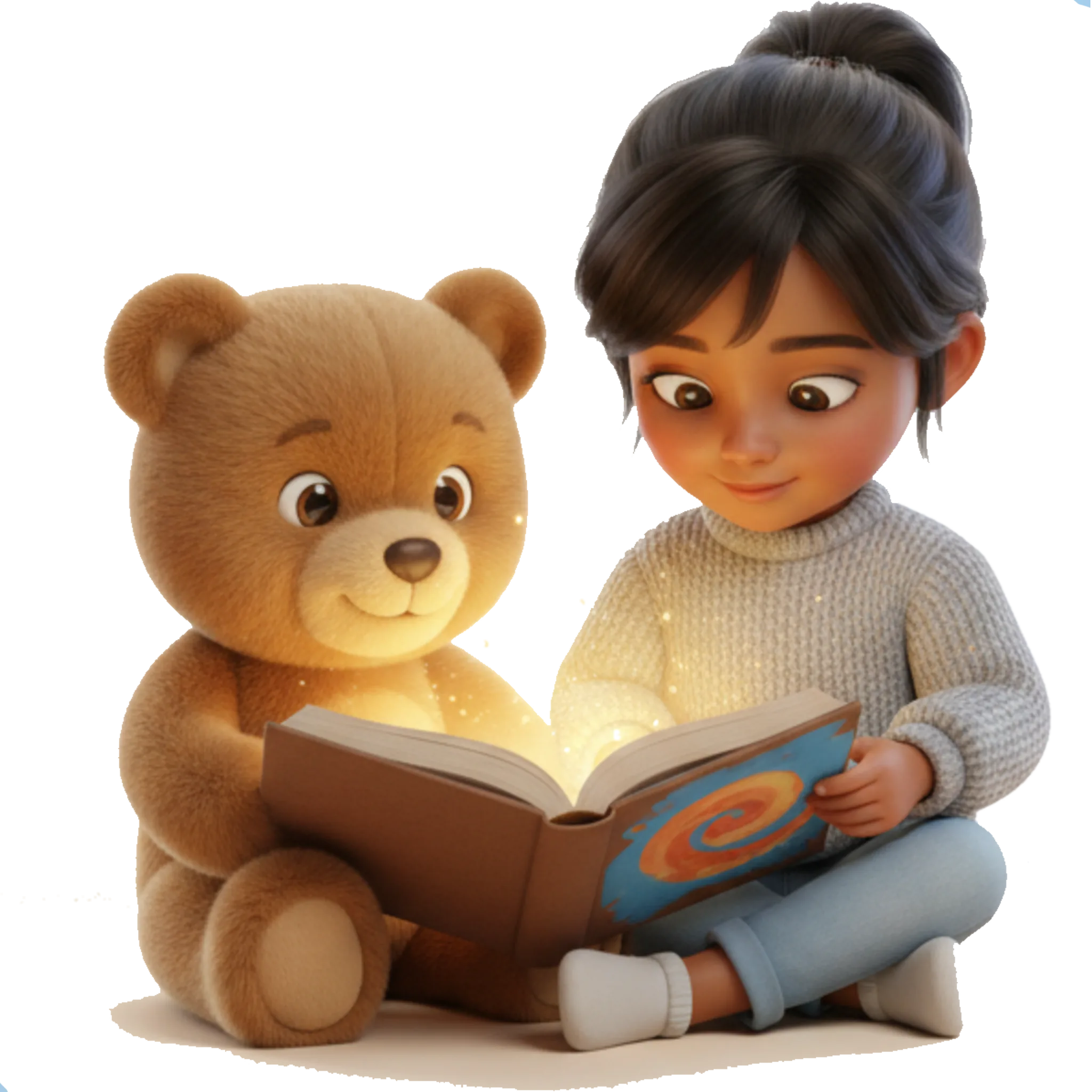
Children's books are fantastic tools for introducing concepts like sharing, kindness, and managing big emotions. Discuss the characters' feelings and actions.
Model Positive Behavior
Children learn by observing. Show them how you manage your own emotions, resolve conflicts respectfully, and engage in acts of kindness.
Provide Opportunities for Peer Interaction
Regular playdates, visits to the park, or participation in age-appropriate community groups allow children to practice social skills with peers.
The Preschool Readiness Checklist (Beyond Academics)
| Skill Area | Child Can (Mostly) | Tips for Practice |
|---|---|---|
| Self-Help | Dress themselves (simple clothes), wash hands, use the toilet, put away toys. | Break down tasks, use visual schedules, make it a game. |
| Emotional Regulation | Name basic feelings, use simple calming strategies (e.g., deep breaths), cope with minor frustrations. | Talk about feelings often, model coping, validate emotions. |
| Social Skills | Take turns (with prompting), share (with prompting), communicate basic needs, play alongside others. | Organize playdates, read social stories, role-play scenarios. |
| Following Instructions | Follow 1-2 step directions consistently. | Give clear, simple instructions; practice daily tasks. |
| Separation | Say goodbye to parent/caregiver with reassurance, settle into new environments after initial adjustment. | Practice short separations, talk positively about preschool, build trust. |
Remember, this is a guide, not a pass/fail test. Your child doesn't need to master every single item, but making progress in these areas will set them up for a much smoother and more enjoyable preschool experience.
When to Consult Your Pediatrician
If you have significant concerns about your child's social-emotional development, persistent difficulties with separation anxiety, or delays in communication or interaction, please consult your pediatrician. They can offer personalized advice and connect you with appropriate resources if needed.
Preparing your child for preschool is an exciting journey! By focusing on their social and emotional well-being, you're not just getting them ready for school, you're equipping them with lifelong skills for happiness and success. We hope these tips empower you and your little one. To make this transition even more magical, why not create a personalized story with Yasso? Let your child be the star of an adventure where they bravely explore new places and make wonderful friends!