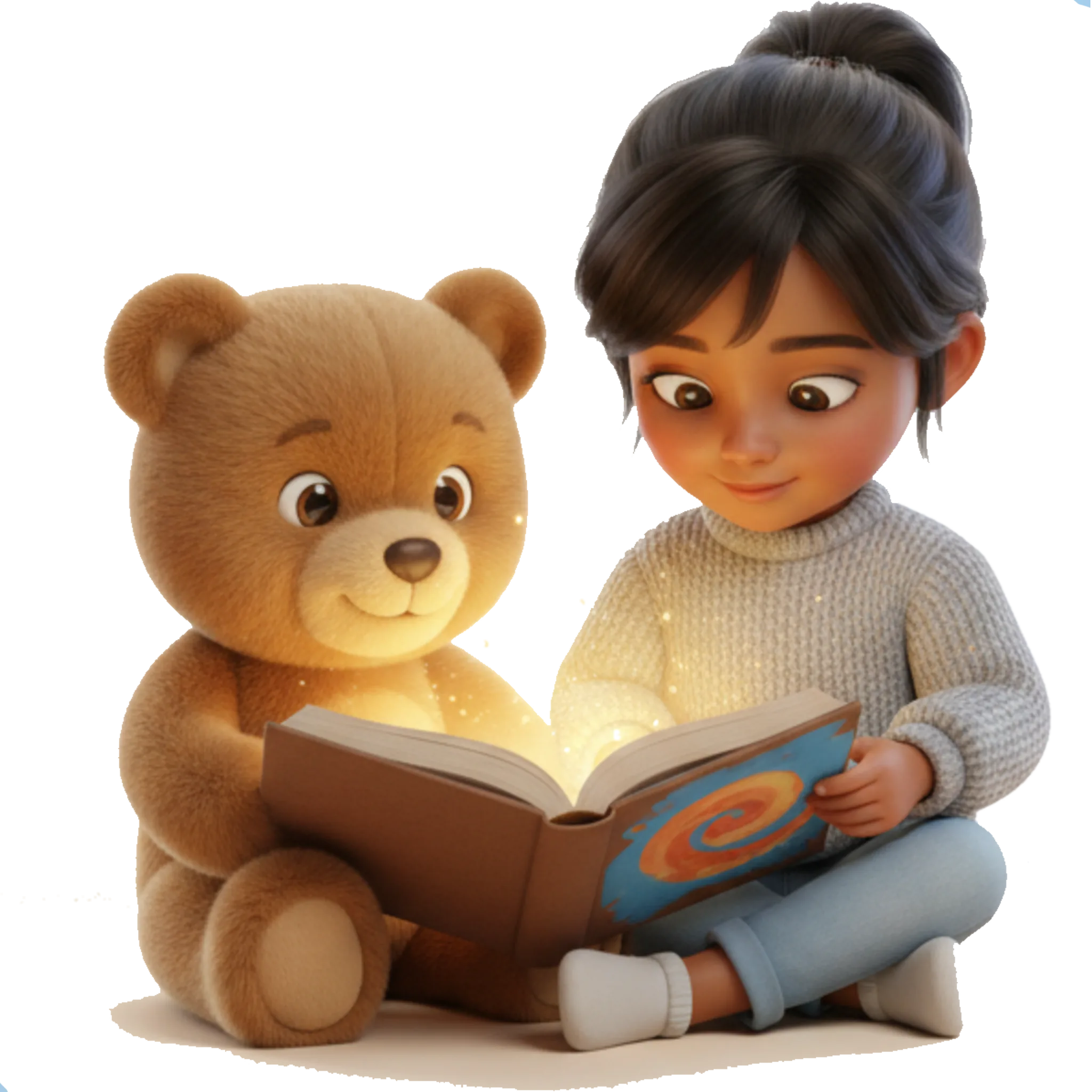
Self-regulation is a crucial skill for preschoolers, helping them manage emotions, control impulses, and focus. Engaging in playful activities like 'Red Light, Green Light,' 'Simon Says,' and mindful breathing exercises can significantly support their development in these areas. These games teach children to pause, think, and respond thoughtfully, laying a strong foundation for future learning and social success.
As parents, we all want our children to grow into capable, well-adjusted individuals. A key part of this journey is developing self-regulation, which is essentially a child's ability to manage their thoughts, feelings, and actions. For preschoolers aged 3-5, this looks like learning to wait their turn, calming down when upset, or staying focused on a task. It's a foundational skill for school readiness and lifelong well-being, and the good news is, we can nurture it through everyday play!
What is Self-Regulation and Why is it Important for Preschoolers?
Self-regulation encompasses several interconnected abilities, often referred to as executive functions. For young children, these primarily include emotional regulation, impulse control, and sustained attention.
- Emotional Regulation: Understanding and managing their feelings in healthy ways (e.g., expressing frustration with words instead of hitting).
- Impulse Control: Thinking before acting, resisting immediate urges (e.g., waiting for a turn, not grabbing a toy).
- Sustained Attention: Focusing on a task or activity for an age-appropriate period, even with distractions.
These skills are vital because they enable children to navigate social situations, learn effectively in school, and build resilience. A child who can self-regulate is better equipped to handle challenges, make friends, and follow directions.
The Science Behind Playful Learning
Research consistently shows that play is not just fun; it's how young children learn best. Structured and unstructured play provides natural opportunities for children to practice and strengthen self-regulation skills in a low-pressure environment. When children engage in games, they learn to follow rules, anticipate outcomes, and adapt their behavior – all crucial components of self-regulation.
Fun Games and Activities to Boost Self-Regulation
Here are some simple, engaging games and activities you can easily incorporate into your daily routine to help your preschooler develop stronger self-regulation skills.
Games for Impulse Control and Attention
These games help children practice pausing, listening, and following instructions.
- Red Light, Green Light: A classic for a reason! Children run on "green light" and freeze on "red light." This teaches them to stop an action mid-motion and control their body.
- Simon Says: This game requires careful listening and impulse control. Children must only follow commands preceded by "Simon Says." It's excellent for distinguishing between a command and a non-command.
- Freeze Dance: Play music and have your child dance. When the music stops, they freeze in position. This practices immediate inhibition and body control.
- Statues: Similar to freeze dance, but children can strike any pose when they freeze. Encourage silly or challenging poses to add to the fun.
- Memory Games (Matching Pairs): Simple card matching games require focus, patience, and remembering rules. Children learn to wait for their turn and concentrate.
Activities for Emotional Regulation
Helping children understand and manage their big feelings is a cornerstone of self-regulation.
- Feelings Charades: Act out different emotions (happy, sad, angry, surprised) and have your child guess. Then, switch roles. This helps them identify and name feelings.
- Calm-Down Corner/Kit: Designate a special, quiet space with comforting items like soft blankets, squishy toys, or picture books about feelings. Teach your child to go there when they feel overwhelmed.
- Belly Breathing (Mindful Breathing): Teach your child to take slow, deep breaths. You can put a stuffed animal on their belly and watch it rise and fall. "Smell the flower, blow out the candle" is another great visual.
- Storytelling with Emotional Themes: Read books where characters experience and overcome different emotions. Discuss how the characters felt and what they did to feel better. You can even create personalized stories where your child is the hero managing emotions, which is something Yasso can help you do!
Activities for Sustained Attention and Problem-Solving
These activities encourage focus and persistence.
- Building Blocks/LEGOs: Open-ended building tasks require planning, focus, and problem-solving. Encourage them to follow a simple plan (e.g., "Let's build a tall tower for your bear").
- Puzzles: Jigsaw puzzles (appropriate for their age) are fantastic for concentration, spatial reasoning, and persistence. Start with fewer pieces and gradually increase complexity.
- Sorting Games: Have your child sort objects by color, size, shape, or type (e.g., sorting blocks into bins, sorting laundry socks). This builds classification skills and attention to detail.
- Simple Chores: Age-appropriate chores like putting away toys, setting the table with unbreakable items, or helping water plants require focus and following multi-step instructions.
Parenting Strategies to Support Self-Regulation
Beyond specific games, your overall parenting approach plays a significant role in fostering self-regulation.
Consistency and Routine
Predictable routines help children feel secure and understand what's expected of them. When they know what's coming next, they can better anticipate and adjust their behavior.
Clear Expectations and Gentle Guidance
Set simple, positive rules (e.g., "We use gentle hands") and explain the 'why' in age-appropriate terms. When your child struggles, offer guidance rather than just punishment. "I see you're frustrated. Let's try to use your words to tell me what you need."
Model Self-Regulation
Children learn by watching. When you manage your own frustrations calmly, take deep breaths when stressed, or patiently wait, you're providing a powerful example for your child.
Praise Effort, Not Just Outcome
Acknowledge your child's attempts and persistence, even if they don't perfectly achieve the goal. "I noticed how hard you tried to wait for your turn, even though it was tough!" This builds resilience and a growth mindset.
When to Seek Professional Guidance
While all children develop at their own pace, if you have significant concerns about your child's ability to manage their emotions, control impulses, or focus, please consult your pediatrician. They can offer personalized advice and connect you with resources if needed.
Self-Regulation Checklist for Parents
| Skill Area | Signs of Developing Self-Regulation (Ages 3-5) | How You Can Help |
|---|---|---|
| Emotional Regulation | Names basic feelings (happy, sad, mad); can calm down with adult help; uses words (sometimes) to express needs. | Model healthy emotional expression; create a calm-down space; read feeling books. |
| Impulse Control | Waits a few moments for a turn; stops an action when asked (sometimes); can follow 2-step directions. | Play 'stop and go' games; set clear, simple rules; offer choices within limits. |
| Focus/Attention | Can focus on a preferred activity for 5-10 minutes; completes simple puzzles; listens to short stories. | Reduce distractions during tasks; engage in building and sorting games; break down complex tasks. |
Nurturing self-regulation in preschoolers is an ongoing journey filled with patience, understanding, and plenty of play. By incorporating these fun games and supportive strategies, you're not just helping your child manage today's tantrums; you're equipping them with essential tools for a lifetime of learning, growth, and happiness.
Want to create more engaging learning moments? Explore Yasso to create personalized storybooks where your child is the hero, navigating fun challenges and learning valuable life skills like self-regulation along the way!