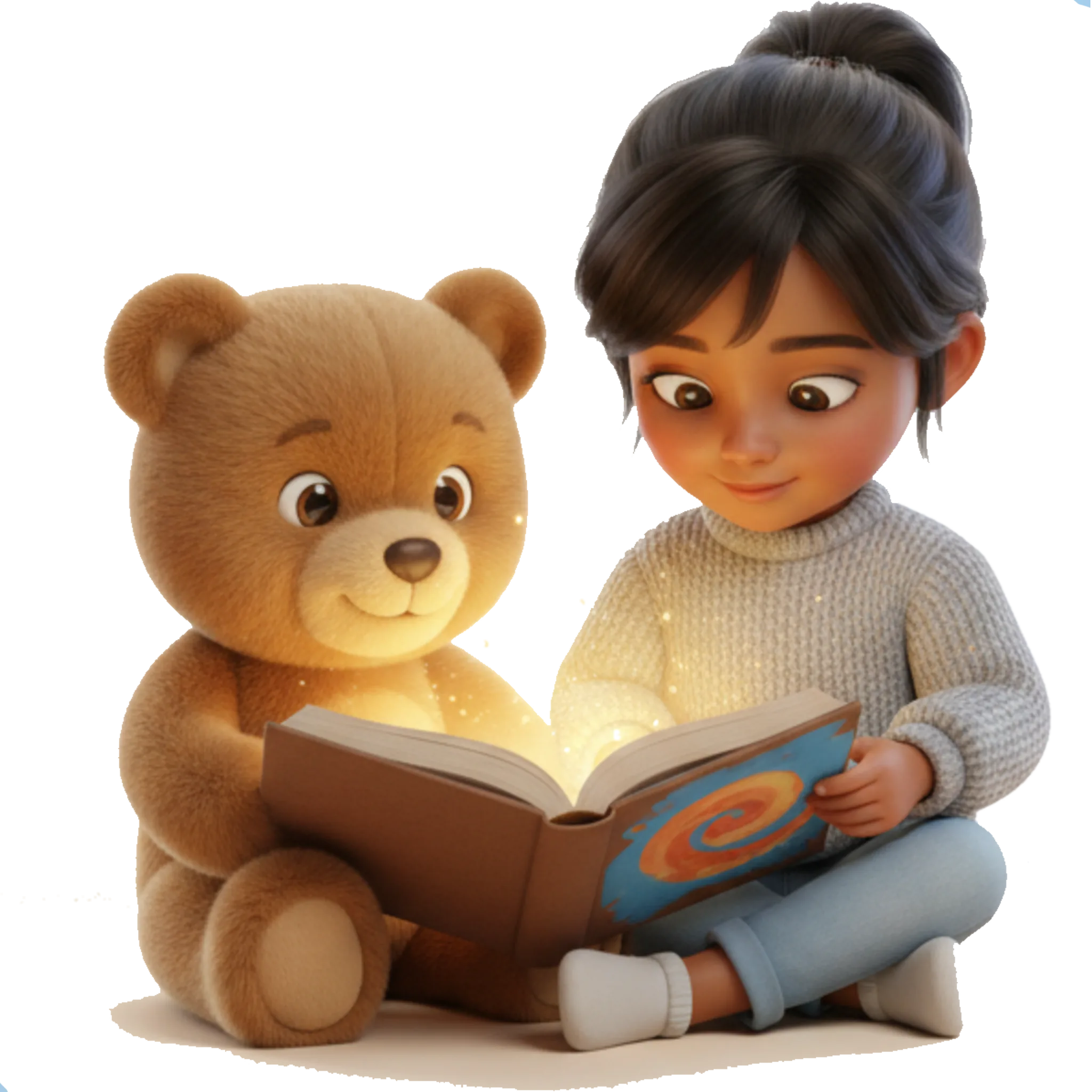
Introverted children, often misunderstood as shy, thrive in calm environments and gain energy from solitary activities. Recognizing their unique needs and strengths, such as deep thinking and creativity, allows parents to create supportive spaces where these children can flourish without being forced into overly stimulating social situations. Understanding that introversion is a fundamental personality trait, not a flaw to be fixed, is the first step in nurturing these wonderful children.
What Does It Mean to Be an Introverted Child?
Introversion is a fundamental personality trait that describes how a child gains and expends energy. While extroverted children are energized by social interaction and external stimulation, introverted children recharge their batteries during quiet, solitary activities. They can enjoy social interaction, but it tends to drain their energy, requiring alone time to recover.
Introversion vs. Shyness: The Key Difference
It's crucial to distinguish introversion from shyness. Shyness is a fear of social judgment, leading to anxiety in social situations. An introverted child might not be afraid of social interaction at all; they simply find it draining. While a shy child might want to join a group but is held back by fear, an introverted child might observe from the sidelines because they are content or processing, not because they are scared. Some introverted children can also be shy, but the two are not inherently linked.
Common Characteristics of Introverted Children (Ages 3-10)
- Needs Alone Time: They often seek out quiet corners or solitary play after a busy day or social event.
- Observant and Thoughtful: They tend to listen more than they speak, processing information deeply before responding.
- Deep Focus: When engaged in an activity they love (like reading, building, or art), they can focus intensely for long periods.
- Fewer, Deeper Friendships: They often prefer a small circle of close friends over large groups.
- Sensitive to Stimulation: Loud noises, bright lights, and crowded spaces can quickly overwhelm them.
- Reserved in New Situations: They may take time to warm up to new people or environments.
- Internal Processing: They often think through ideas thoroughly before speaking them aloud.
Nurturing Their Unique Strengths
Introverted children possess a unique set of strengths that are invaluable. As parents, our role is to help them recognize and cultivate these qualities.
Celebrating Their Inner World
- Deep Thinkers: Introverts often ponder ideas deeply, leading to insightful observations and creative solutions. Encourage their questions and provide resources for their interests.
- Excellent Listeners: They are often attentive and empathetic, making them wonderful friends and thoughtful communicators. Acknowledge their ability to truly hear others.
- Creative and Imaginative: Their rich inner world is a fertile ground for creativity. Provide opportunities for open-ended play, art, writing, and imaginative storytelling. Personalized storybooks, like those created with Yasso, can be a fantastic way to engage their imagination and make them the hero of their own quiet adventures.
- Independent and Self-Motivated: They are often comfortable entertaining themselves and can be very self-directed when pursuing their interests.
Creating a Supportive Environment at Home
Your home can be a sanctuary for your introverted child, a place where they feel understood and can recharge.
Designating a Quiet Space
Ensure your child has a designated quiet space where they can retreat when feeling overwhelmed or needing to recharge. This doesn't have to be an entire room; a cozy corner with a beanbag chair, books, and art supplies can be perfect. Teach them that this space is for them to regulate their emotions and find peace.
Balancing Social Engagements
Avoid over-scheduling. Introverted children need downtime between activities. When planning playdates or outings, opt for one-on-one interactions or small groups. Prepare them for social events by discussing what to expect and giving them an 'out' if they need a break. It's okay to leave a party early if your child is clearly drained.
Respecting Their Pace
Give your child time to process and respond. Don't rush them to answer questions or engage immediately. If they are quiet in a new situation, allow them to observe first. Pushing them too hard can lead to withdrawal or anxiety.
Advocating for Your Introverted Child in the World
The world often seems designed for extroverts, making advocacy an important part of parenting an introverted child.
Communicating with Teachers and Caregivers
Educate teachers and caregivers about your child's introverted nature. Explain that their quietness doesn't mean they're disengaged or unhappy. Suggest strategies like allowing them to work independently, giving them time to think before answering, or pairing them with a calm classmate. Emphasize their strengths, such as their thoughtfulness and ability to focus.
Helping Them Navigate Social Situations
Rather than pushing them into large groups, help them develop social skills in low-pressure ways. Practice conversations at home, role-play scenarios, and encourage them to invite one friend over. Teach them how to politely decline invitations or take a break from social interaction when they need to. Help them understand that it's okay to feel different and that their way of engaging is perfectly valid.
Supporting Their Interests
Encourage hobbies that align with their nature, such as reading, art, music, coding, or nature exploration. These activities allow them to engage deeply and develop skills, often connecting with like-minded individuals in smaller, more focused settings.
Common Pitfalls to Avoid
As parents, we sometimes unintentionally make things harder for our introverted children. Here are some things to be mindful of:
| Pitfall | Why It's Harmful | Instead, Try This |
|---|---|---|
| Forcing social interaction | Can lead to anxiety, resentment, and a feeling that their natural self is unacceptable. | Offer choices, prepare them, start with small groups/one-on-one, and respect their limits. |
| Calling them 'shy' or 'quiet' publicly | Labels can become self-fulfilling prophecies and make them feel inadequate. | Describe their thoughtful nature or deep focus. Focus on their strengths. |
| Filling every moment with activities | Deprives them of the essential alone time needed to recharge and process. | Schedule intentional downtime and protect it. Let them choose how to spend quiet moments. |
| Interrupting their focus | Breaks their deep concentration, which can be frustrating and difficult to regain for an introvert. | Give a warning before transitions or interruptions. Respect their deep engagement. |
| Comparing them to extroverted siblings/peers | Undermines their self-esteem and makes them feel like they're not 'good enough' as they are. | Celebrate their individual strengths and personality. Every child is unique. |
When to Seek Professional Guidance
While introversion is a normal and healthy personality trait, sometimes what appears as introversion could be something else. If your child's quietness is accompanied by extreme distress in social situations, persistent sadness, sudden changes in behavior, difficulty functioning at school or home, or if you have any concerns about their development or well-being, please consult your pediatrician. They can help distinguish between introversion and potential underlying issues like social anxiety or other developmental concerns.
Embracing Their True Selves
Parenting an introverted child is about embracing who they are, not trying to change them into someone they're not. By understanding their needs, respecting their pace, and celebrating their strengths, you're giving them the greatest gift: the confidence to be their authentic self in a world that needs their unique contributions. Empower them to love their quiet strength, their thoughtful nature, and their rich inner world.
Want to spark your child's imagination and celebrate their unique spirit? Try Yasso to create personalized storybooks where they are the hero, perfectly tailored to their interests and fostering a love for quiet, imaginative adventures.