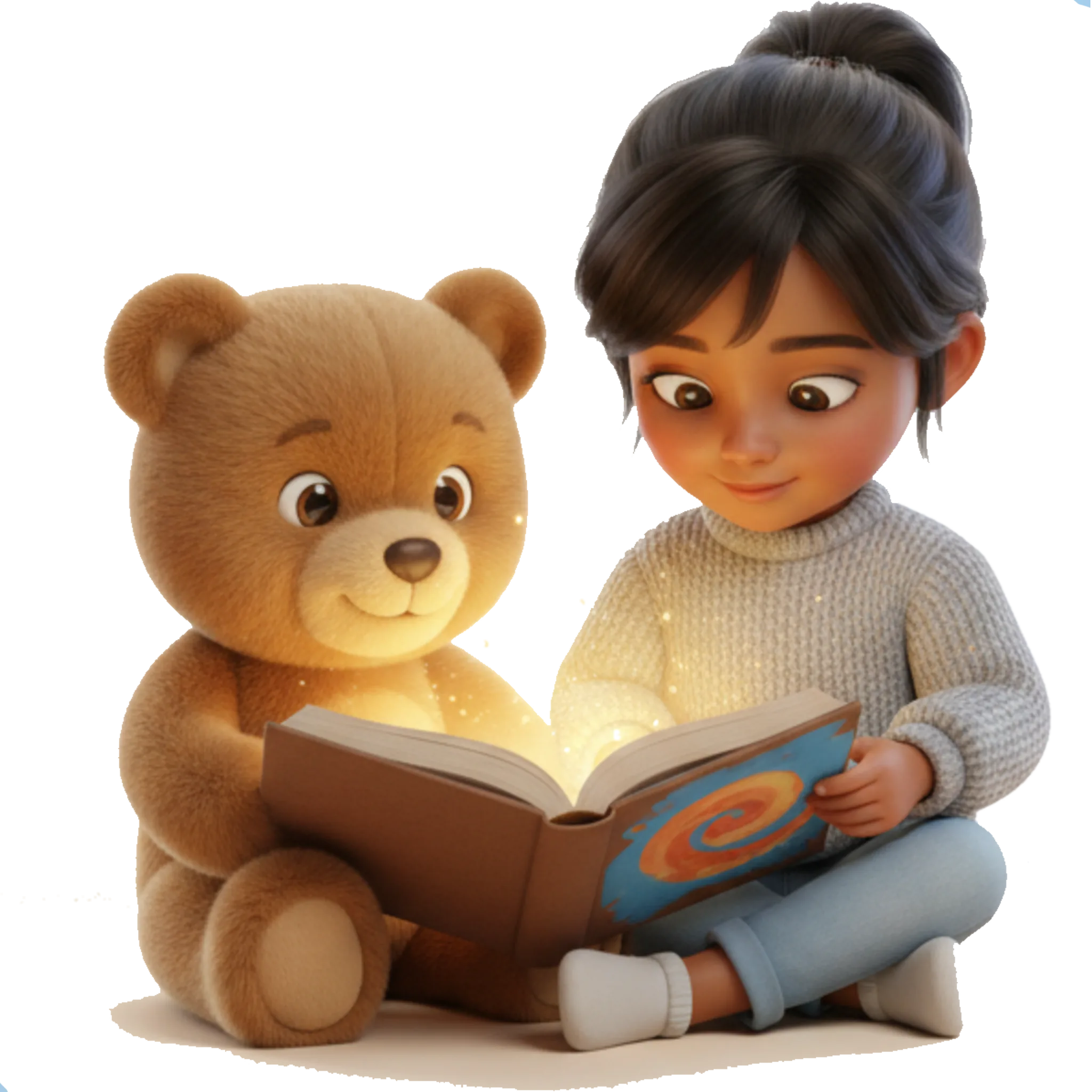
Teaching preschoolers kindness and empathy involves modeling compassionate behavior, actively discussing emotions, and creating opportunities for helpfulness. These foundational social-emotional skills are crucial for building positive relationships, resolving conflicts, and developing a strong sense of self-worth. By integrating these practices into everyday life, parents can help their young children develop a deep understanding and appreciation for others' feelings and experiences.
Why Kindness and Empathy Matter for Young Children
Kindness and empathy are not just 'nice-to-have' traits; they are fundamental building blocks for a child's successful social and emotional development. For preschoolers, these skills lay the groundwork for everything from making friends to navigating school and later, adult relationships.
Building Stronger Relationships
When children understand and respond to the feelings of others, they are better equipped to form meaningful connections. Empathy allows them to comfort a sad friend, share a toy generously, or offer a helping hand, all of which strengthen bonds and foster a sense of belonging.
Developing Problem-Solving Skills
Conflicts are inevitable, even among preschoolers. Empathy helps children understand different viewpoints, which is vital for resolving disagreements peacefully. Instead of simply reacting, an empathetic child might consider why another child is upset, leading to more constructive solutions.
Enhancing Emotional Intelligence
Recognizing emotions in others starts with recognizing them in oneself. Practicing empathy helps preschoolers develop a richer vocabulary for feelings and a deeper understanding of emotional nuances, contributing significantly to their overall emotional intelligence.
Everyday Strategies for Nurturing Empathy and Kindness
The good news is that you don't need special lessons to teach kindness and empathy. These vital skills are best learned through consistent, everyday interactions and observations.
1. Be a Role Model
Children are incredible imitators. Your actions speak louder than any lecture. Show kindness and empathy in your own interactions:
- With your child: Listen attentively, validate their feelings, and respond with warmth.
- With others: Offer help to a neighbor, speak respectfully to service staff, or show concern for a friend. Let your child see you being kind.
- With yourself: Practice self-compassion. Children learn that it's okay to make mistakes and treat themselves kindly by observing you.
2. Talk About Emotions Openly
Help your child build an emotional vocabulary. Use specific words beyond just "happy" or "sad."
- Label feelings: "You look frustrated that your tower fell." "Your friend seems really excited about their new toy!"
- Connect feelings to actions: "When you snatched the toy, your friend felt sad." "When you shared, your friend felt happy and wanted to play more."
- Read emotional cues: Point out expressions in books or real life. "Look at that character's face; how do you think they feel?"
3. Encourage Perspective-Taking
This is the core of empathy. Help your child imagine what it's like to be in someone else's shoes, even if it's a simple scenario.
- Ask