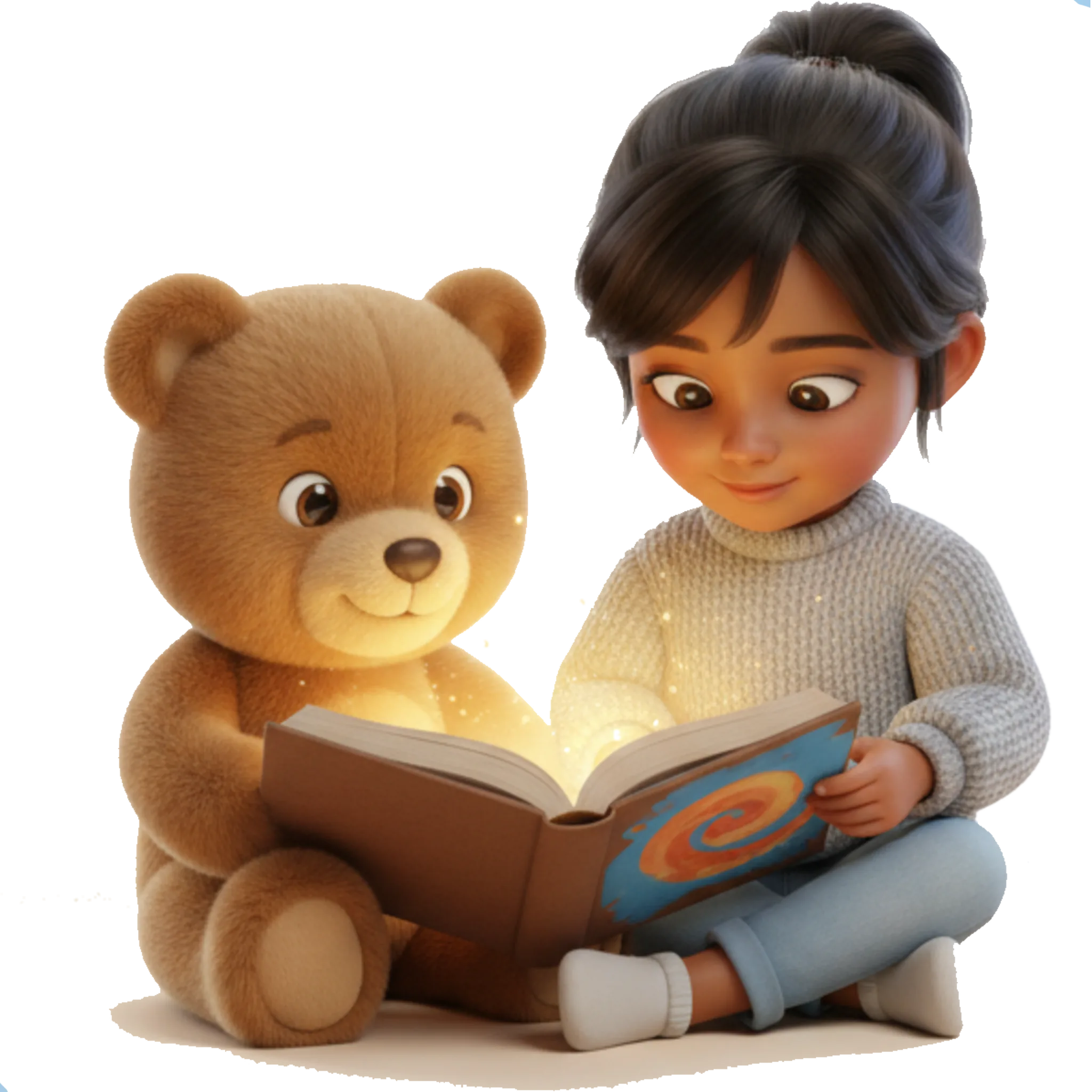
Introversion is a personality trait, not shyness, characterized by gaining energy from quiet time and expending it in social settings. Supporting your introverted child means recognizing and respecting their need for solitude, creating an environment that honors their thoughtful nature, and helping them navigate a world often geared towards extroverts. By understanding their unique way of processing the world, parents can empower their introverted children to thrive.
What Does Introversion Really Mean for Children?
Often misunderstood, introversion is a fundamental aspect of personality. It's not about being shy, anxious, or antisocial; rather, it describes how a child (or adult) recharges their energy. Introverted children tend to feel drained by extensive social interaction and replenish their energy through quiet, solitary activities. They often prefer depth over breadth in friendships and can be keen observers and deep thinkers.
Introversion vs. Shyness: The Key Difference
It's crucial to distinguish introversion from shyness. Shyness is a fear of social judgment and can cause anxiety in social situations, regardless of energy levels. An introverted child might not be afraid of social interaction but simply finds it draining and prefers fewer, deeper interactions. A shy child might want to socialize but feels inhibited, while an introverted child might be perfectly content observing or engaging in solitary play.
"Introverts are not anti-social. They're selectively social. They'd rather have two meaningful conversations than twenty superficial ones." - Unknown
Recognizing Introverted Traits in Your Child
While every child is unique, introverted children often display certain common characteristics. Observing these traits can help you better understand and respond to their needs. Remember, these are tendencies, not rigid rules, and your child might exhibit some more strongly than others.
Common Signs of Introversion in Children:
- Prefers solitary play or one-on-one interactions: Enjoys imaginative play alone or deep conversations with a close friend rather than large group activities.
- Needs downtime after social events: Comes home from school or parties feeling tired and needing quiet time to recharge.
- Thinks before speaking: Takes time to process information and formulate responses, appearing quiet or reserved.
- Deep focus and concentration: Can become deeply engrossed in hobbies, reading, or creative projects.
- Observant and reflective: Spends time watching and listening, processing information internally before acting.
- Fewer, deeper friendships: Prefers a small circle of close friends over a large group of acquaintances.
- Can be overwhelmed by excessive stimulation: Loud noises, bright lights, or chaotic environments can be draining.
Creating a Supportive Environment at Home
Your home environment plays a significant role in nurturing your introverted child. Creating a space that respects their natural inclinations can help them feel understood, secure, and empowered.
Practical Strategies for Parents:
- Provide a "Recharge Zone": Designate a quiet, comfortable space where your child can retreat for alone time. This could be their bedroom, a cozy reading nook, or even just a specific chair.
- Respect Their Downtime Needs: After school, parties, or busy weekends, allow for unstructured, quiet time. Don't immediately schedule more activities.
- Communicate Thoughtfully: Instead of immediate questions after school, try open-ended prompts like, "What was the most interesting thing that happened today?" or "What did you enjoy doing?" Give them time to process and respond.
- Schedule Solo Play: Actively schedule time for independent play, reading, or pursuing hobbies. This validates their need for solitude.
- Avoid Over-scheduling: Be mindful of too many organized activities. Leave room for spontaneous quiet time.
- Model Self-Care: Show them that it's okay to step away and recharge, whether you're an introvert or extrovert yourself.
Navigating Social Situations and School
The world often celebrates extroverted traits, which can make social settings and school challenging for introverted children. As parents, you can equip them with strategies to navigate these environments successfully.
Supporting Social Growth:
- Encourage One-on-One Playdates: These are often less overwhelming and more fulfilling for introverted children than large group play.
- Prepare Them for Social Events: Discuss what to expect at a party or gathering. You might agree on a signal for when they need a break, or a specific duration for their attendance.
- Teach Social Skills Gently: Help them practice initiating conversations or joining groups in low-pressure settings. Role-playing can be helpful.
- Advocate at School: Talk to teachers about your child's introverted nature. Suggest strategies like allowing them to work independently, providing quiet spaces for group work, or giving them time to process questions before answering.
- Focus on Their Strengths: Highlight their ability to listen, think deeply, and offer thoughtful insights. These are invaluable social contributions.
Here's a quick comparison to help guide your approach:
| If Your Child Is Introverted... | Consider This Parenting Approach |
|---|---|
| Prefers quiet activities | Offer art supplies, books, building toys; create a cozy reading nook. |
| Needs alone time to recharge | Schedule downtime after school/activities; respect their need for space. |
| Thinks before speaking | Ask open-ended questions; give them time to formulate answers without pressure. |
| Sensitive to overstimulation | Limit exposure to loud, chaotic environments; provide quiet breaks. |
| Prefers deep, one-on-one friendships | Facilitate smaller playdates; help them nurture a few close connections. |
| May seem reserved in groups | Explain to others they're observant; don't force them to perform or participate loudly. |
Celebrating Their Unique Strengths
Introversion comes with a wealth of strengths. By recognizing and celebrating these, you help your child build self-esteem and appreciate their authentic self.
Strengths of Introverted Children:
- Thoughtfulness: They consider things deeply and often offer well-reasoned perspectives.
- Creativity: Solitude often fuels imagination and innovative thinking.
- Empathy: Their observational nature can lead to a greater understanding of others' feelings.
- Focus and Persistence: They can concentrate for long periods on tasks they enjoy.
- Independence: They are often self-motivated and comfortable working alone.
- Good Listeners: They genuinely absorb what others say.
Encourage these strengths! Provide opportunities for creative expression, independent projects, and quiet pursuits. One wonderful way to nurture a love for quiet, imaginative worlds is through personalized stories. Apps like Yasso create unique bedtime stories where your child is the hero, perfect for fueling their inner world and deep thinking.
When to Seek Professional Guidance
While introversion is a healthy personality trait, it's important to distinguish it from anxiety or other challenges. If your child's quietness is accompanied by extreme social anxiety, persistent sadness, withdrawal from activities they once enjoyed, or significant difficulty functioning in daily life, it's wise to consult with your pediatrician. They can offer personalized advice and connect you with appropriate resources if needed.
Understanding and supporting your introverted child is a journey of appreciation. By honoring their quiet strength, providing space for them to recharge, and celebrating their unique gifts, you empower them to navigate the world confidently and authentically. Keep celebrating their wonderful, thoughtful nature!