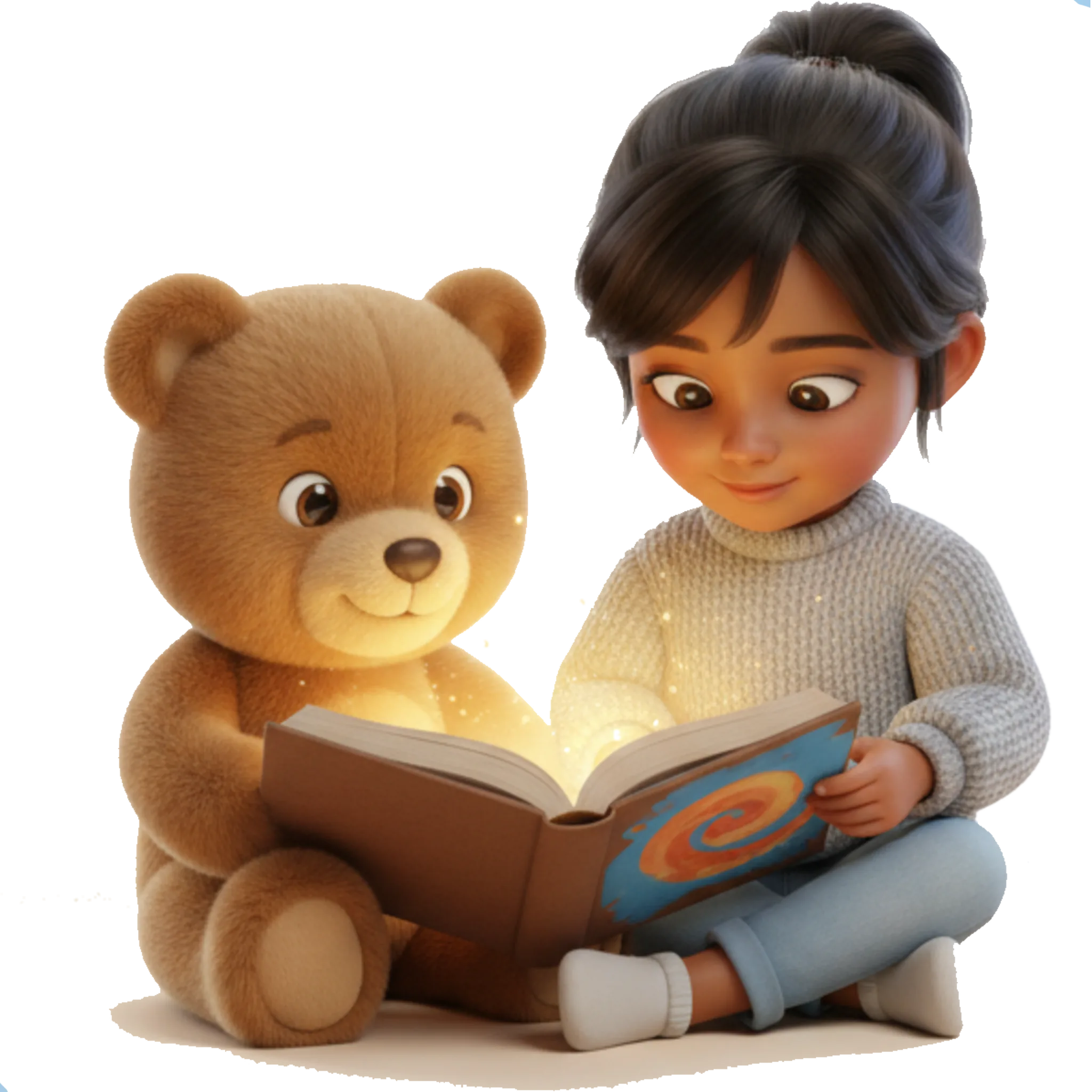
Helping young children identify and express their feelings is crucial for their social-emotional development. By building a rich emotional vocabulary, children aged 2-6 learn to name what they're experiencing, which empowers them to better understand themselves and communicate their needs effectively, reducing frustration and meltdowns. This skill is foundational for developing empathy, strong relationships, and resilience.
Why Emotional Vocabulary Matters for Young Children
Before children can manage their emotions, they first need to recognize and name them. Imagine trying to solve a problem without knowing what the problem is! For a young child, feeling a strong emotion like frustration or anxiety without a word for it can be overwhelming and lead to challenging behaviors. Teaching them emotion words gives them a tool for understanding and communication.
- Reduces Frustration: When a child can say, "I'm angry!" instead of hitting or screaming, they're using words instead of actions.
- Builds Self-Awareness: Naming feelings helps children understand what's happening inside them, a critical step towards emotional regulation.
- Enhances Communication: Parents can better support a child who articulates their feelings, strengthening the parent-child bond.
- Fosters Empathy: Understanding one's own feelings is a stepping stone to recognizing and empathizing with the feelings of others.
- Promotes Problem-Solving: Once a feeling is identified, children can begin to learn constructive ways to deal with it.
The Foundation: Starting Early with Core Emotions
For toddlers and preschoolers (ages 2-4), start with basic, universal emotions. Focus on connecting the word to a clear experience or facial expression.
- Happy: "You're smiling so big! You must be happy!"
- Sad: "Your friend took your toy. Are you feeling sad?"
- Angry/Mad: "You wanted another cookie, and I said no. You look mad right now."
- Scared: "That loud noise made you jump. Were you a little bit scared?"
Remember, it's about validating their experience, not judging it. Your tone should be warm and accepting.
Practical Activities to Build Emotional Vocabulary
1. Label Feelings in Real-Time
This is the most powerful tool. Narrate your child's (and your own) emotional experiences as they happen. Be their emotional translator.
"Oh, you look so excited to go to the park!"
"I see your shoulders are slumped; you seem a little disappointed that playdate was cancelled."
"I'm feeling a bit frustrated because my computer isn't working right now."
Connect emotions to facial expressions, body language, and situations. For instance, point out how someone's eyes crinkle when they're happy or how their brow furrows when they're confused.
2. Read Emotion-Focused Books
Many children's books beautifully illustrate emotions. Choose books that show characters experiencing and coping with various feelings.
- Ask questions like, "How do you think [character] is feeling right now?" or "Have you ever felt like that?"
- Look for books that depict a range of emotions, not just 'good' ones.
3. Play Feelings Charades or Match-Up Games
Make learning fun! You can use flashcards with different emotion faces or simply act them out.
- Feelings Charades: Take turns making a face or acting out an emotion, and the other person guesses what it is.
- Feelings Match: Draw simple faces on cards (happy, sad, angry) and have your child match them to photos of real faces showing those emotions.
4. Use Puppets or Stuffed Animals
Children often find it easier to talk about feelings through a third party. Use puppets to act out scenarios and discuss how the puppet feels.
"Oh no, Bunny lost her carrot! How do you think Bunny feels?"
"Bear is so happy because he got a big hug! Show me your happy face, Bear!"
5. Incorporate Feelings into Everyday Conversations
Beyond specific activities, weave emotional language into your daily chats.
- During dinner: "What was something that made you feel proud today?"
- Before bed: "What was one thing that made you feel a little worried today?"
- When watching shows: "Why do you think that character is feeling shy?"
6. Create a Feelings Chart or Wheel
A visual aid can be very helpful. Print or draw a chart with different emotion words and corresponding facial expressions. When your child feels something, they can point to it. This also helps you understand what they're trying to communicate.
Expanding Beyond Basic Emotions (Ages 4-6)
As children grow, you can introduce more nuanced and complex emotions. Instead of just 'mad,' they can learn 'frustrated,' 'annoyed,' or 'disappointed.'
| Basic Emotion | Nuanced Emotions to Introduce |
|---|---|
| Happy | Joyful, proud, excited, grateful, content, delighted |
| Sad | Disappointed, lonely, worried, heartbroken, glum |
| Angry | Frustrated, annoyed, irritated, furious, jealous |
| Scared | Anxious, nervous, worried, timid, startled |
Understanding Nuance: How Feelings Can Mix
Explain that sometimes feelings aren't just one thing. "You can feel both excited to go to Grandma's house and a little bit shy about seeing all those people." This helps children understand the complexity of human emotions.
Model Healthy Emotional Expression
Children learn by observing. Show them how you manage your own feelings in healthy ways.
- "I'm feeling a bit stressed because I have a lot to do today, so I'm going to take a deep breath."
- "I'm so proud of you for trying your best, even when it was hard! I feel joyful watching you learn."
It's okay for children to see you express a full range of emotions, as long as you demonstrate constructive ways of dealing with them.
Validate, Don't Dismiss, Feelings
When your child expresses a feeling, acknowledge it. Avoid phrases like "Don't be sad" or "There's nothing to be afraid of." Instead, try:
- "I hear you; you're feeling really upset right now."
- "It makes sense that you feel angry when your tower fell down."
- "I understand why you're feeling nervous about starting school."
Validation helps children feel seen and understood, which is crucial for their emotional development. Once validated, you can then gently guide them towards coping strategies or problem-solving.
Creating a "Calm-Down Corner"
For children learning to process big emotions, a designated quiet space can be invaluable. This isn't a