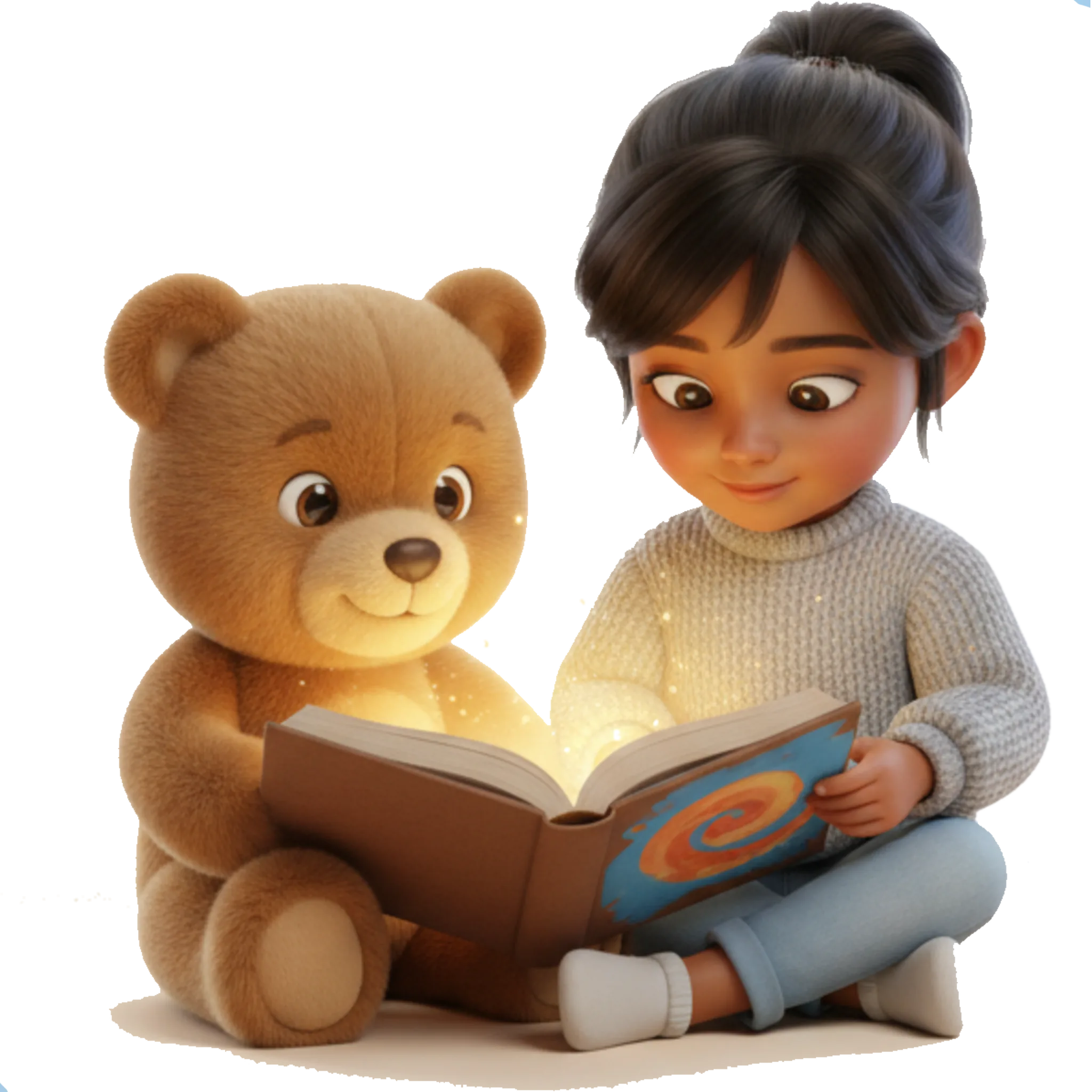
Patience is a vital life skill that helps both children and parents navigate frustration and delays with grace. You can actively teach and model patience by setting realistic expectations, practicing waiting games, validating feelings, and celebrating small steps. By making patience a family value, you equip your children with essential emotional regulation tools for life's inevitable challenges.
Why Patience Matters for Kids (and Parents!)
In our fast-paced world, developing patience can feel like an uphill battle. For children, it's a foundational skill for everything from sharing toys and waiting their turn to tackling challenging schoolwork and achieving long-term goals. For parents, cultivating patience in ourselves helps us respond thoughtfully rather than react impulsively, fostering a calmer home environment and stronger parent-child connections.
The Benefits of Patience for Children
- Enhanced Emotional Regulation: Kids learn to manage big feelings like frustration and disappointment without meltdowns.
- Improved Problem-Solving: Patience allows children to think through challenges rather than giving up quickly.
- Stronger Relationships: Waiting their turn, sharing, and listening patiently are crucial for social success.
- Greater Resilience: They learn that not everything happens instantly and that persistence pays off.
- Academic Success: Sustained attention and waiting for instructions are vital in a classroom setting.
The Benefits of Patience for Parents
- Reduced Stress: A patient approach to parenting lessens your own daily anxieties.
- Better Communication: You're more likely to listen actively and respond calmly, even during conflicts.
- Stronger Bond: Patience fosters trust and understanding between you and your child.
- Effective Discipline: Calm, consistent responses are far more impactful than reactive ones.
- Personal Growth: Parenting is a powerful journey of self-discovery, and cultivating patience is a key part of it.
Practical Strategies to Model Patience
Children are incredible imitators. The most powerful way to teach patience is to demonstrate it yourself.
1. Narrate Your Own Patience
When you're waiting, verbalize your process. "Oh, the light is red. I need to wait until it turns green. I'll take a deep breath while we wait." Or, "This line is long, but we'll get our turn soon. I can look at the pictures in this book while we wait." This helps children understand the internal dialogue of patience.
2. Manage Your Own Frustration Calmly
Life throws curveballs. When your internet is slow or your plans change unexpectedly, show your child how you handle it. Instead of an outburst, try, "Ugh, this is frustrating, but I can figure this out. I'll take a moment to think." This teaches them that frustration is normal, but reacting calmly is a choice.
3. Be Present and Unhurried When Possible
Sometimes our own impatience stems from rushing. Try to build in extra time for transitions or outings. When you're not constantly looking at the clock, you create space for more patient interactions and allow your child to move at their own pace occasionally.
Teaching Patience to Children (Ages 2-10)
Age-appropriate strategies are key when teaching patience. What works for a 2-year-old will be different for a 7-year-old.
For Toddlers (Ages 2-3): The Basics of Waiting
- Start Small: Ask them to wait for 5-10 seconds for a favorite toy or a snack. Gradually increase the time.
- Use Visual Timers: A sand timer or a visual countdown app can make "waiting" more concrete.
- Distraction: "While we wait for dinner, let's sing a song!" or "Can you help me set the table?"
- Acknowledge Their Feelings: "I know it's hard to wait for the swing. You really want to go! We'll get our turn soon."
- Play Waiting Games: "Red light, green light" or taking turns with toys are great ways to practice.
For Preschoolers (Ages 4-5): Understanding Turns and Delays
- Explain 'Why': "We need to wait for the water to boil to make pasta because it has to be hot to cook properly."
- Practice Turn-Taking: Board games, sharing toys, and conversations are excellent opportunities.
- The 'First/Then' Strategy: "First, we clean up toys, then we can watch a show." This helps them understand sequences and delayed gratification.
- Praise Effort: "I saw how patiently you waited for your friend to finish. That was wonderful!"
- Offer Choices (Within Limits): "Do you want to wait for a snack now, or wait until after we go to the park?" gives them a sense of control.
For School-Aged Children (Ages 6-10): Developing Resilience and Perspective
- Problem-Solving Together: When they're impatient, ask, "What can we do while we wait?" or "What's another way to think about this?"
- Discuss Future Rewards: "If you save your allowance, you can buy that bigger toy you really want."
- Introduce Coping Strategies: Teach deep breathing exercises, counting to ten, or using positive self-talk like "I can do this."
- Reflect on Experiences: After a situation requiring patience, discuss what went well and what was challenging. "How did you feel when you had to wait for your turn at the batting cage? How did you manage it?"
- Read Stories About Patience: Children's books often feature characters learning this important skill. When you're looking for a new story, remember that personalized tales from Yasso can also be a wonderful way to reinforce values like patience, showing how the child hero in their own adventure waits for a special moment or works towards a goal.
When Impatience Turns Into Frustration: A Parent's Guide
It's inevitable that children will get frustrated. Your response is key.
The Acknowledge, Validate, Guide (AVG) Approach
- Acknowledge: "I see you're feeling really frustrated right now."
- Validate: "It's hard when you have to wait for your turn/when something doesn't work right away."
- Guide: "What can we do to help you feel better while we wait?" or "Let's try that again together."
Tools for Managing Frustration
- Deep Breathing: Teach simple techniques like