The Powerful Link Between Early Language Exposure and Reading Success: Simple Strategies for Parents
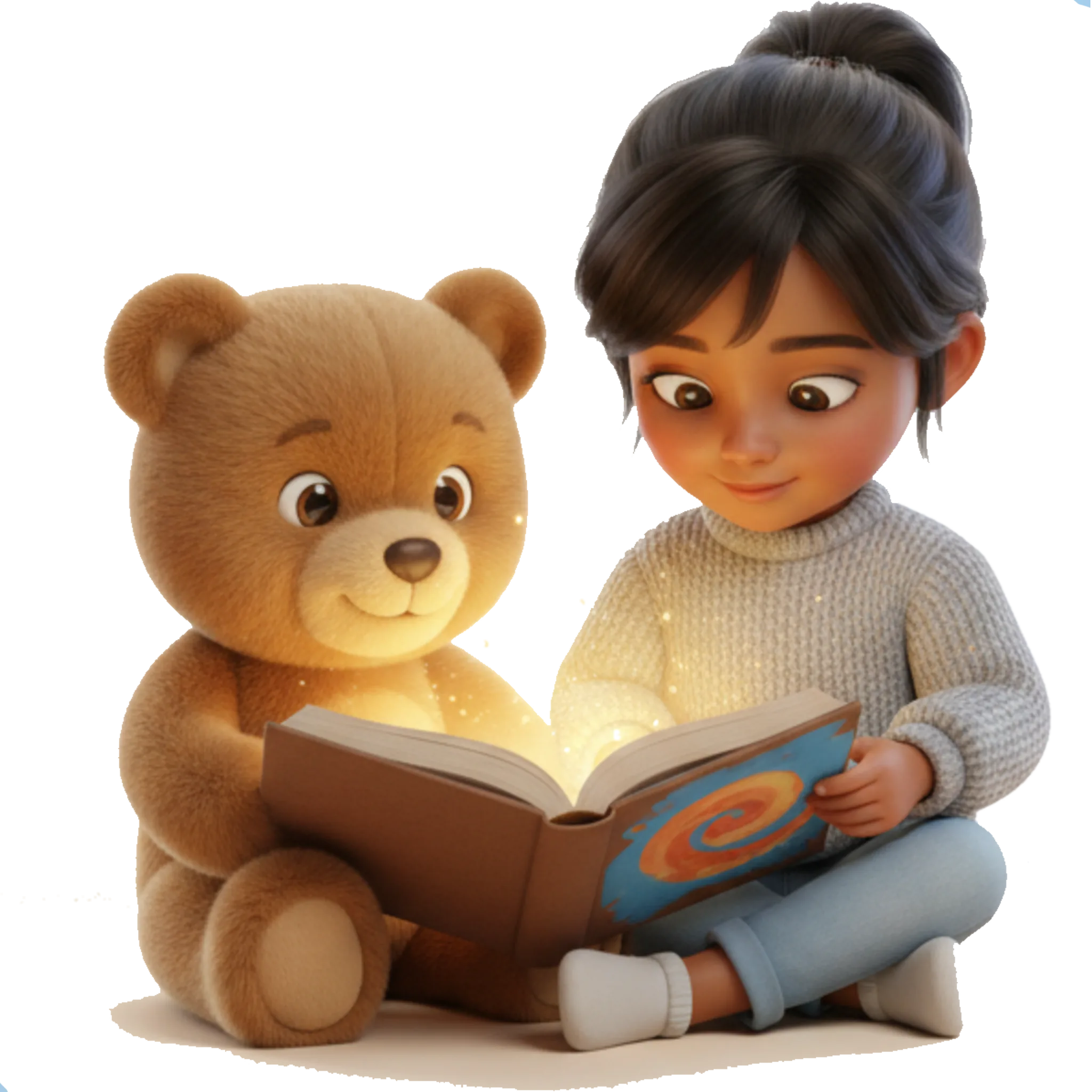
Early and consistent exposure to rich language, through conversations, reading aloud, and interactive play, significantly boosts a child's foundational skills for future reading comprehension and academic success. Parents play a crucial role in building this vital language base from birth by engaging their children in verbal interactions and shared reading experiences.
Understanding this connection empowers you to intentionally weave language-rich experiences into your child's daily life, setting them up for a lifetime of literacy. It's not about flashcards or early academics; it's about genuine connection and communication.
Why Early Language Matters So Much for Reading
The journey to becoming a fluent reader begins long before a child even picks up a book to decode words. It starts with hearing, understanding, and using language. Think of it as building a robust mental library of words, concepts, and grammatical structures.
Vocabulary: The Building Blocks of Comprehension
A child's vocabulary at age two or three is a strong predictor of their reading comprehension years later. When children encounter a word in print, they need to have heard and understood it previously to make sense of the sentence. The more words they know, the easier it is to grasp the meaning of what they're reading.
- Word Recognition: Children who have a larger spoken vocabulary can more easily recognize words when they see them in print.
- Context Clues: A rich vocabulary helps children use context clues to figure out the meaning of unfamiliar words while reading.
- General Knowledge: Language is how we learn about the world. A broader vocabulary correlates with broader general knowledge, which in turn aids reading comprehension.
Phonological Awareness: Hearing the Sounds of Language
Before children can connect letters to sounds, they need to be able to hear and manipulate the sounds in spoken words. This skill, called phonological awareness, includes recognizing rhymes, syllables, and individual sounds (phonemes) within words.
Activities like singing rhyming songs, clapping out syllables in names, and playing 'I Spy' with sounds all contribute to this critical pre-reading skill. It helps children understand that words are made up of smaller sound units, which is essential for decoding.
Narrative Skills: Understanding Story Structure
Exposure to stories helps children understand how narratives work – the sequence of events, cause and effect, characters, settings, and resolutions. When parents read aloud and discuss stories, children learn to follow a plot, predict what might happen next, and infer meaning.
These narrative skills are directly transferable to reading comprehension. A child who can anticipate a story's flow or understand character motivations in a spoken story will apply those same skills when reading independently.
Simple, Effective Strategies for Parents (Ages 0-5)
You don't need fancy tools or a degree in linguistics to boost your child's language development. The most powerful strategies are often the simplest and most integrated into daily life.
1. Talk, Talk, Talk (and Listen!)
Engage your child in frequent, responsive conversations from birth. This isn't just about talking at them, but talking with them, even when they can't yet respond with words.
- Narrate Your Day: Describe what you're doing as you do it: "Now I'm chopping the carrots for dinner. They are orange and crunchy!" "We're putting on your blue socks."
- 'Serve and Return' Conversations: Pay attention to your child's babbles, gestures, or words, and respond meaningfully. If they point to a dog, say, "Yes, that's a big brown dog! What does the dog say? Woof woof!" This back-and-forth interaction builds neural connections.
- Ask Open-Ended Questions: Instead of "Did you have fun?" try "What was your favorite part of playing at the park today?" or "Why do you think the squirrel buried the nut?"
- Use a Rich Vocabulary: Don't shy away from using sophisticated words. Explain them simply if needed. "Look at that enormous truck! Enormous means very, very big."
2. Read Aloud Every Single Day
Shared reading is perhaps the single most impactful activity for fostering early literacy. It's not just about the words on the page; it's about the interaction.
- Start Early: Even newborns benefit from hearing your voice and seeing books. Board books with high-contrast images are great for babies.
- Make it Interactive: Point to pictures, ask questions ("What do you think will happen next?" "Can you find the red car?"), and encourage your child to turn pages or touch textures.
- Read with Expression: Use different voices for characters, vary your tone, and make reading exciting.
- Reread Favorites: Repetition helps children internalize vocabulary, story structure, and even predict text.
- Connect Books to Life: "Remember when we saw a cat just like this one at the park yesterday?" This helps children make real-world connections.
3. Sing Songs and Rhymes
Music and rhymes are powerful tools for language development, especially phonological awareness.
- Nursery Rhymes: These are goldmines for rhyming, rhythm, and alliteration.
- Action Songs: "Head, Shoulders, Knees, and Toes" connects words to body parts and actions.
- Lullabies: Even quiet singing fosters bonding and introduces language patterns.
4. Engage in Imaginative Play
Pretend play is a natural laboratory for language. Children use words to create scenarios, assign roles, and solve problems.
- Provide Props: Simple items like dress-up clothes, dolls, toy animals, or building blocks can spark imaginative play.
- Join In: Play alongside your child, asking questions and modeling language. "Oh no, the baby doll is hungry! What should we feed her?"
- Encourage Storytelling: After playing, ask your child to tell you about their adventure.
5. Create a Print-Rich Environment
Surrounding your child with print helps them understand that words convey meaning.
- Books, Books, Books: Have books readily available in different rooms.
- Labels: Label common household items (e.g., "door," "chair") with simple words.
- Everyday Print: Point out words on cereal boxes, street signs, and grocery store labels. "Look, that says 'STOP'!"
Comparing Language-Rich vs. Language-Limited Environments
| Aspect | Language-Rich Environment | Language-Limited Environment |
|---|---|---|
| Parent-Child Interaction | Frequent, responsive 'serve and return' conversations; open-ended questions. | Less frequent, often directive communication; fewer questions or only yes/no. |
| Vocabulary Exposure | Broad and diverse vocabulary, explanations of new words. | More limited vocabulary, simple sentence structures. |
| Reading Habits | Daily interactive reading aloud, discussion of stories. | Infrequent or passive reading aloud, less discussion. |
| Play | Encouragement of imaginative play and storytelling. | More structured play or less verbal interaction during play. |
| Print Exposure | Abundant books, labels, pointing out everyday print. | Fewer books, less awareness of print in the environment. |
| Child Outcomes | Stronger language skills, larger vocabulary, better phonological awareness, higher reading readiness. | Delayed language development, smaller vocabulary, potential difficulties with phonological awareness and reading. |
As you can see, even small, consistent efforts in creating a language-rich home can make a profound difference.
Remember, every interaction is an opportunity for language learning. Embrace the everyday moments – bath time, mealtime, car rides – as chances to connect through words and stories. These early experiences don't just teach your child to read; they foster a love of learning and a deeper bond with you. And if you're looking for new ways to make storytime extra special and engaging, consider exploring Yasso, where your child becomes the hero of their own personalized stories, making every read an immersive language adventure.
Keep talking, keep reading, and enjoy watching your child's world of language and literacy unfold!