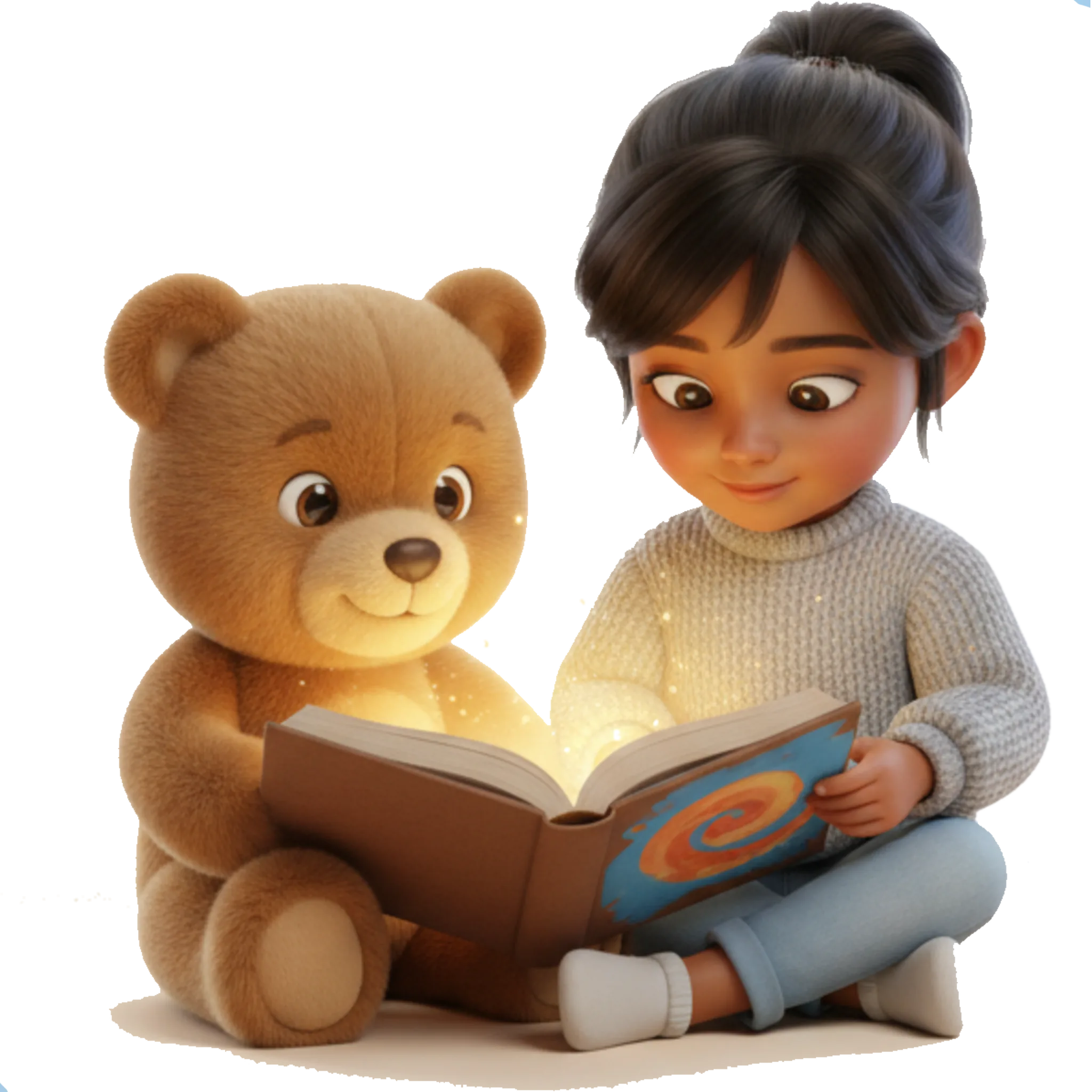
Early literacy isn't just about reading books; it's about building a strong foundation in language and communication skills from birth. Engaging infants and toddlers (ages 0-3) with diverse oral traditions like storytelling, rhymes, and songs fosters vocabulary development, listening skills, and a lifelong love for language, preparing them for formal reading. These interactive experiences are crucial for cognitive development and nurturing a positive relationship with words long before they decode them on a page.
The Power of Oral Traditions in Early Literacy
Before children can read, they must understand the rhythm, structure, and meaning of language. Oral traditions like storytelling, singing, and rhyming are fundamental building blocks for this understanding. They introduce children to new words, sentence patterns, and the concept of narrative in a natural, engaging way.
Why Storytelling Matters for Babies and Toddlers
- Vocabulary Expansion: Hearing a wide range of words in different contexts helps children build a rich vocabulary.
- Listening Skills: Storytelling encourages active listening, a critical skill for school and life.
- Imagination and Creativity: Without visual aids, children create their own mental images, boosting their imagination.
- Emotional Connection: Sharing stories creates strong bonds between parent and child, associating language with warmth and security.
- Understanding Narrative: Even simple stories teach cause and effect, sequence, and character development.
The Magic of Rhymes and Songs
Rhymes and songs are incredibly powerful tools for early literacy, especially for the youngest learners. The repetitive sounds and predictable patterns help children recognize phonemes (individual sounds in words) and develop phonological awareness, which is a key predictor of reading success.
- Phonological Awareness: Rhymes help children hear the distinct sounds in words, a crucial pre-reading skill.
- Memory Boost: Repetitive songs and rhymes aid memory retention and recall.
- Rhythm and Pitch: Exposure to musicality in language enhances auditory processing.
- Engagement and Fun: The playful nature of songs and rhymes makes learning enjoyable and less like a chore.
- Motor Skills: Adding actions to songs and rhymes integrates physical and linguistic development.
Practical Ways to Weave Language into Everyday Life (Ages 0-3)
You don't need special equipment or designated "lesson times" to foster early literacy. Every interaction is an opportunity!
Storytelling Beyond the Book
Think of yourself as your child's first author! Stories can be spontaneous and about anything.
- Narrate Your Day: "First, Mommy poured the milk, then you splashed in the tub, and now we're going to put on your cozy pajamas!"
- Tell Personal Stories: Recount tales about your family history, your childhood, or even what your child did yesterday. "Remember when we went to the park and saw the big dog?"
- Make Up Silly Stories: Invent characters and adventures. "Once there was a little bear who loved to eat blueberries and wear striped socks!"
- Use Puppets or Toys: Give voices to stuffed animals and act out simple scenes.
- Personalize Stories: Stories where your child is the hero are incredibly engaging. Think about how Yasso can help you create personalized, illustrated, narrated stories where your child is the star, making language learning an exciting adventure.
Rhymes and Songs Throughout the Day
Integrate rhythm and melody into routines.
- Diaper Change Ditties: Sing a familiar song or make up a rhyme during diaper changes. "Up goes your leg, down goes the old, a clean diaper, stories untold!"
- Bath Time Ballads: Sing about the bubbles, the water, or the bath toys. "Splish, splash, taking a bath, having so much fun!"
- Car Ride Chants: Play rhyming games or sing songs in the car. "I spy with my little eye, something green... a tree!"
- Fingerplays and Action Songs: "Twinkle, Twinkle Little Star" or "The Wheels on the Bus" involve actions that connect words to movement.
- Lullabies: The gentle rhythm and repetition of lullabies are perfect for calming and building language.
Creating a Language-Rich Environment
A child's environment plays a huge role in their language development. The more they hear and are encouraged to interact with language, the faster their skills will grow.
Tips for Parents and Caregivers
- Talk, Talk, Talk: Narrate everything you're doing, seeing, and feeling.
- Listen Actively: Respond to your child's babbles and gestures. Ask open-ended questions as they get older.
- Repeat and Expand: If your toddler says "Car!" you can respond, "Yes, that's a big blue car! It's going fast!"
- Read Aloud Daily: Even though this article focuses on beyond books, daily reading remains vital. Choose board books with bright pictures and simple text.
- Limit Screen Time: Interactive human communication is far more beneficial for language development than passive screen exposure.
- Be Patient and Playful: Language learning should be fun and stress-free.
| Age Group | Best Activities for Early Literacy | Focus |
|---|---|---|
| 0-6 Months | Singing lullabies, talking directly to baby, narrating daily routines, gentle tickle rhymes, describing faces and objects. | Auditory discrimination, voice recognition, emotional connection, exposure to speech sounds. |
| 6-12 Months | Pointing and naming objects, imitating babbles, simple action songs ("Pat-a-Cake"), short made-up stories, responding to gestures. | Vocabulary building, turn-taking in communication, sound imitation, early comprehension. |
| 12-24 Months | Telling simple stories about their day, interactive rhyming games, asking "What's that?" questions, singing longer songs, using puppets, encouraging first words. | Word expansion, sentence structure, narrative understanding, expressive language, phonological awareness. |
| 24-36 Months | Inventing stories together, asking "Why?" and "How?" questions, complex action songs, identifying rhyming words, engaging in dramatic play with language. | Complex vocabulary, descriptive language, narrative sequencing, pre-reading skills, social communication. |
Remember, every child develops at their own pace. If you have any concerns about your child's language development, please consult your pediatrician. They can offer personalized guidance and support.
By embracing the rich traditions of storytelling, rhymes, and songs, you're not just entertaining your child; you're actively building the neural pathways for language acquisition and instilling a lifelong love for learning. These moments of shared language are precious gifts. Ready to make language learning an even more magical adventure? Explore Yasso and create personalized stories that make your child the hero!