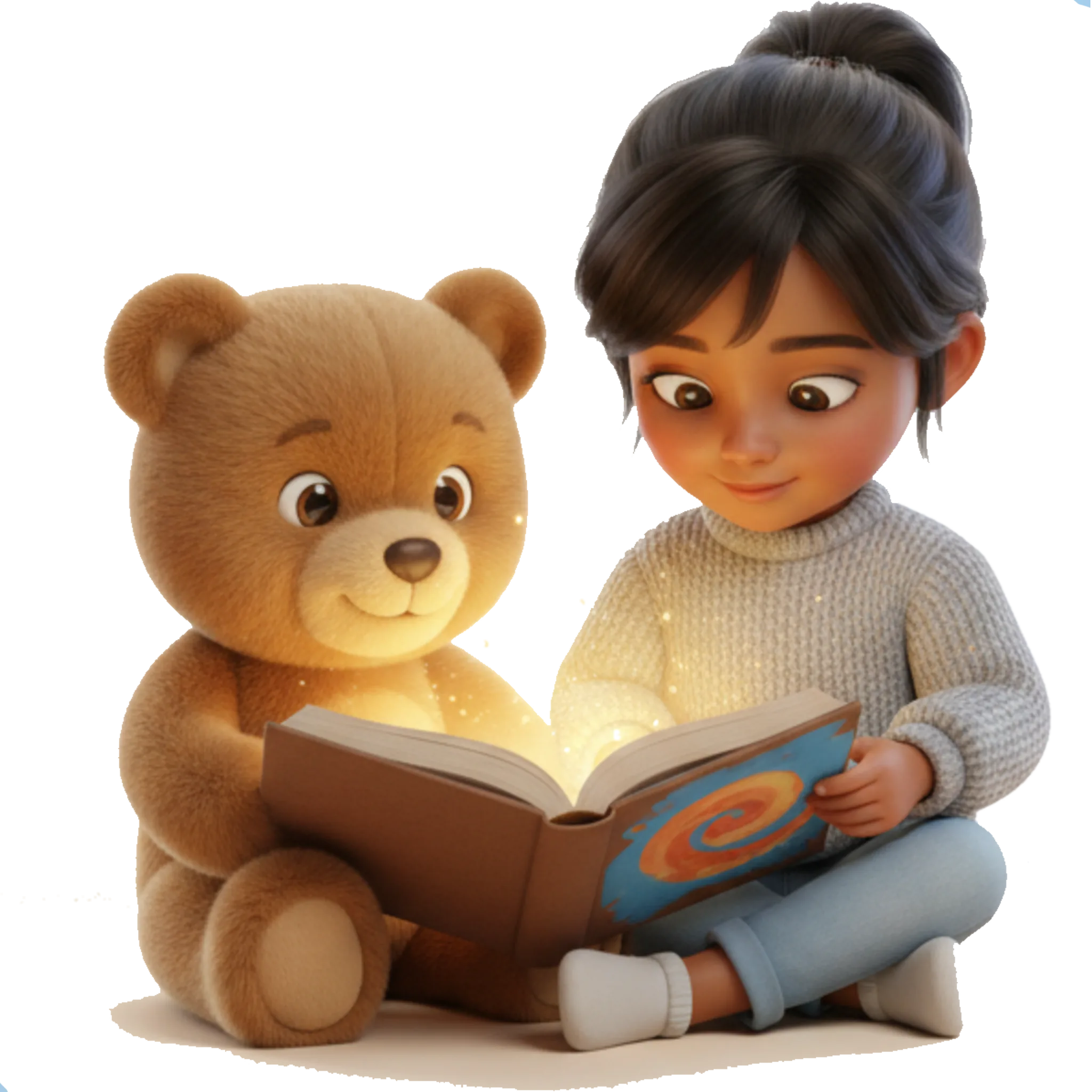
Sibling jealousy is a normal and common part of family life, especially for children aged 2-8 as they learn to share parental attention and resources. Parents can proactively minimize these feelings by ensuring each child feels uniquely loved and valued, and by teaching healthy ways to express big emotions. Addressing jealousy with empathy and consistent strategies helps foster stronger sibling bonds and a more harmonious home environment.
Understanding Sibling Jealousy: Why It Happens
Sibling jealousy, often called the 'green-eyed monster,' is a natural human emotion that typically arises when a child perceives a threat to their parents' love, attention, or resources. For younger children, especially those between 2 and 8 years old, their world revolves largely around their immediate family. The arrival of a new sibling, or even just the daily interactions with an existing one, can trigger feelings of insecurity, displacement, or unfairness.
Common Triggers for Jealousy
- New Sibling Arrival: The most obvious trigger, as older children grapple with sharing their parents.
- Perceived Unequal Attention: Even if parents try their best, one child might feel another receives more time, praise, or help.
- Developmental Differences: An older child might resent a younger sibling getting 'away with' things, or a younger child might envy an older sibling's privileges.
- Competition: Siblings often compete for toys, space, or even who finishes a meal first.
- Temperament: Some children are naturally more sensitive or prone to anxiety, making them more susceptible to jealous feelings.
Proactive Strategies: Preventing Jealousy Before It Starts
While some jealousy is inevitable, parents can implement proactive strategies to create an environment where each child feels secure and valued, thereby reducing the intensity and frequency of jealous outbursts.
1. Cultivate Individual Connection
One of the most powerful tools against jealousy is dedicated one-on-one time. Even 10-15 minutes of uninterrupted attention each day can make a significant difference.
- Special Time: Let each child choose an activity to do with you individually, whether it's reading, building blocks, or a short walk.
- Unique Rituals: Create small, special rituals just for one child, like a specific bedtime story for the older sibling, or a morning cuddle for the younger one.
- Focus on Their Interests: Engage in conversations about their specific interests, hobbies, or school day, showing genuine interest in their individual world.
2. Avoid Comparisons at All Costs
Comparing siblings, even positively, can be detrimental. It fosters competition and resentment rather than cooperation.
"Every child is a unique individual, blossoming at their own pace. Celebrating their distinct qualities rather than comparing them lays the foundation for self-esteem and sibling harmony."
- Praise Effort, Not Outcome: Instead of "Look how neatly Sarah colored compared to you," try "I see you both put a lot of effort into your drawings!"
- Acknowledge Differences: "You both have different strengths. Maya is great at puzzles, and Liam loves building towers."
- Focus on Individual Growth: "Remember how hard you worked to learn that? You're doing so well!"
3. Foster a Sense of Fairness and Equity (Not Sameness)
Fairness doesn't always mean equal. It means each child gets what they need, which might be different at different ages and stages.
| Concept | What it Looks Like | Why it Helps |
|---|---|---|
| Equity vs. Equality | Older child gets a later bedtime; younger child gets more help tying shoes. | Children learn that needs vary, and love isn't finite. |
| Shared Responsibilities | Age-appropriate chores for everyone, contributing to the family. | Instills teamwork and reduces feelings of one child doing more or less. |
| Turn-Taking & Sharing | Setting a timer for sharing toys; designated 'special' toy bins. | Teaches patience, negotiation, and respect for others' possessions. |
4. Prepare for Changes
When big changes are coming (like a new baby or moving homes), involve children in the preparation.
- Talk About It: Use age-appropriate language to explain what's happening.
- Involve Them: Let them help pick out baby clothes, or pack their own box for a move.
- Read Books: Picture books about new siblings or big changes can normalize feelings.
Addressing Jealousy in the Moment: Gentle Guidance
When jealousy flares up, your response is crucial. The goal is to acknowledge feelings, set boundaries, and guide children toward constructive solutions.
1. Acknowledge and Validate Feelings
Dismissing a child's feelings ("Don't be silly, you love your sister!") only teaches them to suppress emotions, not manage them.
- Name the Emotion: "It looks like you're feeling frustrated that your brother got the last cookie." or "I understand you're feeling a little jealous of the attention your sister is getting right now."
- Empathize: "It's hard when someone else gets something you want."
- Reassure Love: "Even when things feel unfair, my love for you is always big and special, just for you."
2. Set Clear Boundaries and Expectations
While feelings are always okay, certain behaviors are not. Make sure children understand what's acceptable.
- "Hands Are Not For Hitting": Clearly state that physical aggression is never allowed.
- "Use Your Words": Encourage children to verbalize their feelings and needs.
- Consistent Consequences: If a boundary is crossed, follow through with a pre-discussed, age-appropriate consequence (e.g., a brief timeout to calm down, repair damage).
3. Teach Problem-Solving Skills
Help children find solutions rather than solving conflicts for them. This empowers them and builds crucial life skills.
- Facilitate Dialogue: "What can we do to make this better?" or "How can you both get a turn with the toy?"
- Brainstorm Options: Guide them to come up with multiple solutions, even silly ones at first.
- Practice Compromise: "Maybe one of you plays with it for 5 minutes, then the other gets 5 minutes."
4. Encourage Empathy and Cooperation
Help children see things from their sibling's perspective and work together.
- Perspective-Taking: "How do you think your brother felt when you snatched his toy?"
- Team-Building: Assign tasks that require siblings to work together, like tidying up a room or setting the table.
- Highlight Positive Interactions: "I loved how you shared your crayons with your sister. That was very kind."
When to Seek Further Support
Most sibling jealousy is normal and manageable with consistent parenting strategies. However, if you notice the jealousy is severe, persistent, leading to frequent physical aggression, significant emotional distress in one or both children, or regression in development, it's wise to consult your pediatrician or a child psychologist. They can offer personalized guidance and rule out any underlying issues.
Navigating sibling jealousy is a journey, not a destination. It requires patience, consistency, and a deep well of empathy. By fostering a home where each child feels seen, heard, and cherished for who they uniquely are, you're not just managing conflict; you're building a foundation for strong, loving sibling relationships. And just like those special bonds, the stories we create for our children can also be unique and tailored. Consider creating personalized stories with Yasso, where your child is always the hero, reinforcing their sense of self-worth and adventure.