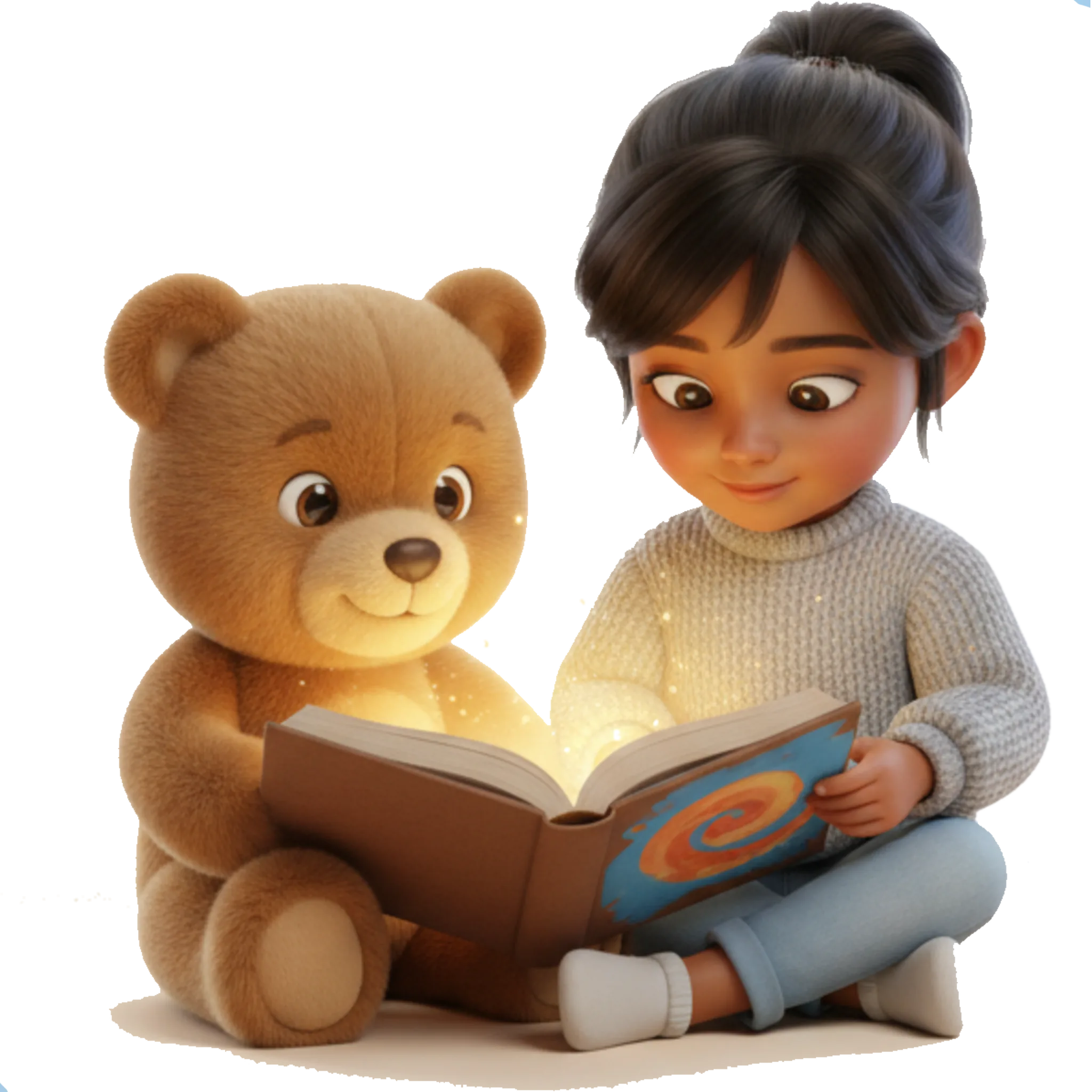
Teaching toddlers to share is a gradual process that focuses on turn-taking and mutual respect rather than forced compliance. For children aged 1-3, true sharing, which involves empathy and understanding another's needs, is still developing. By setting realistic expectations and modeling positive interactions, parents can gently guide their little ones toward collaborative play and empathy, fostering essential social-emotional skills.
Understanding the Toddler Brain and Sharing
Toddlers are naturally egocentric, meaning they see the world primarily from their own perspective. This isn't selfishness, but a normal stage of cognitive development. Their sense of ownership is strong, and they're still learning about cause and effect, impulse control, and the feelings of others. Expecting a 1-year-old to willingly hand over a coveted toy is often asking too much of their developing brain.
Why Sharing is Hard for Toddlers:
- Developing Sense of Self: Toddlers are just beginning to understand where they end and others begin. Their toys are often an extension of themselves.
- Limited Impulse Control: The ability to stop an immediate desire (like holding onto a toy) is still very much under construction.
- Lack of Empathy: While precursors to empathy emerge, the full ability to understand and feel another's emotions is not yet mature.
- Abstract Concept: "Sharing" is an abstract concept that requires understanding time, ownership, and social rules, all of which are challenging for young children.
Gentle Strategies for Cultivating Collaborative Play
Instead of forcing a child to share, which can lead to resentment and anxiety around toys, focus on creating positive interactions and teaching the building blocks of sharing: turn-taking, asking, and waiting.
1. Model, Model, Model!
Children learn by watching. Be intentional about modeling sharing and turn-taking in your daily life. Narrate what you're doing:
- "Can I have a bite of your apple? Thank you for sharing!"
- "My turn to put the book away, then your turn to choose a new one."
- "Look, Daddy is sharing his blanket with me."
2. Introduce Turn-Taking, Not Just "Sharing"
For toddlers, "sharing" can feel like giving something away permanently. "Turn-taking" is a more concrete and understandable concept. Use a timer or a clear visual cue.
- Designate "Turn-Taking Toys": Some toys are ideal for practicing turns, like a ball you roll back and forth, a puzzle you do together, or a single ride-on toy.
- Use a Timer: For highly desired items, set a small timer (e.g., 2 minutes). "It's Maya's turn with the truck until the timer rings, then it's Leo's turn." Consistently follow through.
- Narrate the Process: "It's your turn now. When the timer beeps, it will be Liam's turn. Liam is waiting patiently."
3. Provide Plenty of Resources
When multiple children are playing, ensure there are enough appealing toys to go around, especially popular ones. If there's only one coveted toy, disputes are almost guaranteed.
- Duplicate Key Items: If you know two toddlers will gravitate towards the same item (e.g., a specific red car), try to have two similar ones.
- Rotate Toys: Keep some toys out of sight and rotate them periodically to maintain novelty and reduce intense attachment to a single item.
4. Create a "Special" Toy Bin
Designate a small basket or shelf for items your child does not have to share when friends come over. This teaches boundaries and gives them a sense of control over their belongings.
- "These are your special toys, you can put them in your room when friends come."
- "You can choose one special toy to keep just for you today."
5. Validate Feelings and Offer Solutions
When a sharing conflict arises, acknowledge the child's feelings first. Avoid shaming or forcing them to hand over a toy immediately.
- "I see you're really sad that Liam took your block. You were still playing with that." (Validate feelings)
- "Liam, Maya was still playing with that block. You can ask, 'May I have a turn when you're done?'" (Teach appropriate interaction)
- "Maya, when you're done, can you give it to Liam? Or would you like to trade it for this blue car?" (Offer solutions/empower choice)