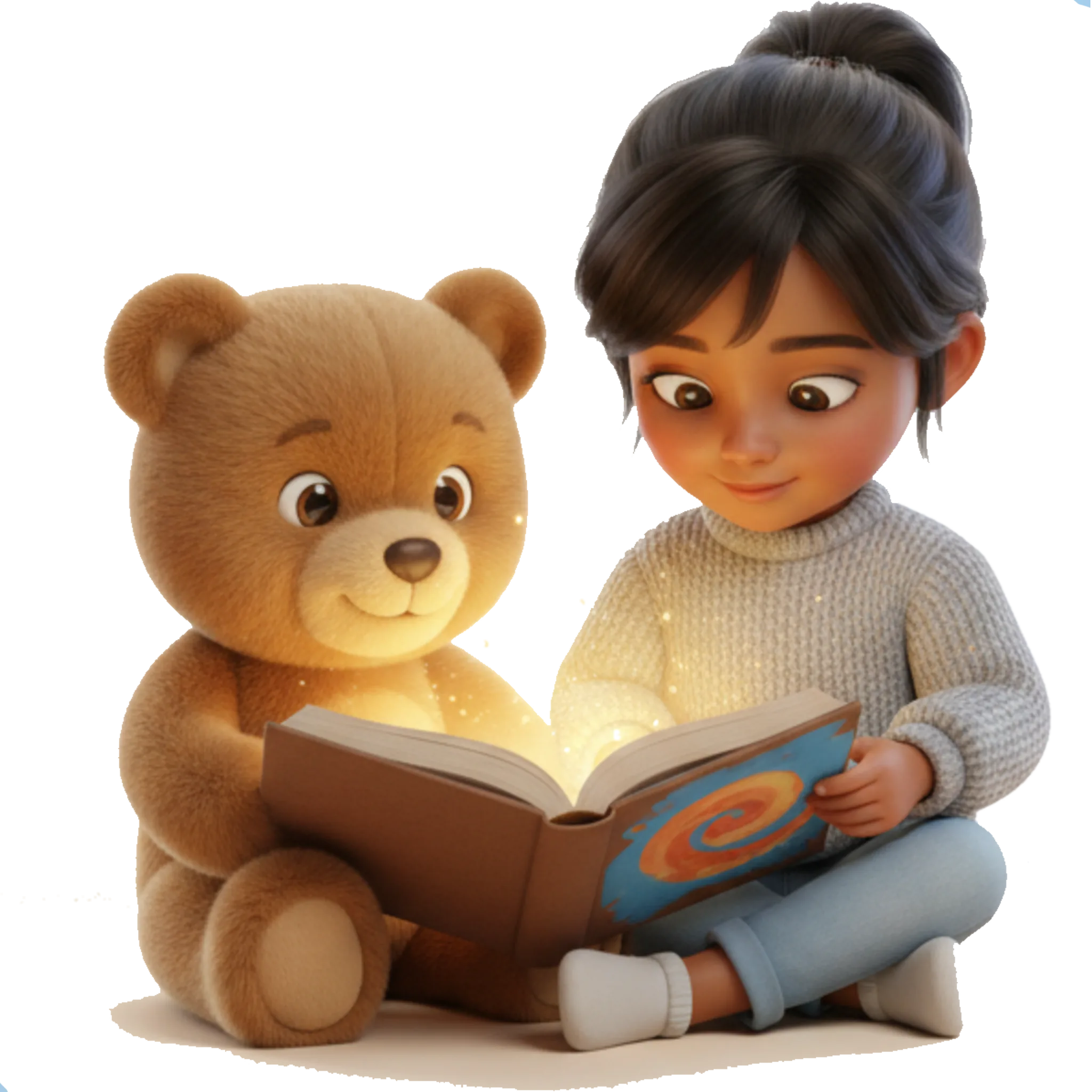
Teaching toddlers to share and take turns is a cornerstone of early social development, fostering empathy, cooperation, and positive peer interactions. It's a gradual process that requires patience, consistent modeling, and gentle guidance from parents, rather than expecting instant mastery. These foundational skills help children navigate friendships, resolve conflicts, and thrive in group settings as they grow.
Understanding Why Sharing and Turn-Taking Are Hard for Toddlers
For adults, sharing and taking turns seem straightforward. For a 1 to 3-year-old, however, these concepts are complex. Toddlers are still developing their sense of self and understanding of ownership. Their world revolves around their immediate desires, and they often struggle with impulse control and perspective-taking.
The Egocentric World of a Toddler
Between ages 1 and 3, children are naturally egocentric. This doesn't mean they are selfish; it means they genuinely struggle to see things from another person's point of view. A toy in their hand is their toy, and the idea of someone else wanting it, or having to wait for it, can be incredibly confusing and frustrating.
Developing Impulse Control
Impulse control is still very much in its infancy during the toddler years. When a toddler sees something they want, their instinct is to grab it. Learning to pause, consider others, and wait for a turn requires significant brain development that is still underway.
Practical Strategies for Teaching Sharing
While challenging, teaching sharing is incredibly rewarding. Start with small steps and build on successes.
1. Model Sharing Behavior
Children learn best by example. Let your toddler see you sharing with others. For instance, share your snack with them, offer them a bite of your food, or let them use your pen when you're drawing together. Narrate your actions: "Mommy is sharing her apple with you!" or "Can I share this book with you?"
2. Start Small and Simple
Don't expect your toddler to share their absolute favorite toy right away. Begin with less-preferred items or materials they have in abundance, like blocks or crayons. Practice sharing with you first, then introduce other trusted family members before peers.
3. Use Simple Language and Visual Cues
Keep your instructions clear, concise, and positive. "Your turn, then my turn" or "Let's share the red car." Use hand gestures to emphasize the concept of giving and receiving. Visual timers can also be helpful for showing how long a "turn" lasts.
4. Prepare for Playdates
Before a playdate, talk to your toddler about sharing. Let them choose a few "special toys" that they don't have to share and put them away. This gives them a sense of control and reduces potential conflict over prized possessions.
5. Validate Feelings, Then Guide
"It's okay to feel sad when someone else wants your toy. This is your favorite car. Remember, we can share it for a little bit, and then you'll get it back."
Acknowledge their feelings first. "I see you really love that truck." Then, gently guide them towards sharing, offering support and encouragement. Sometimes, a simple "Would you like to share the truck with Leo, or choose another toy for him to play with?" can work wonders, giving them a choice.
Practical Strategies for Teaching Turn-Taking
Turn-taking is a precursor to sharing and often easier for younger toddlers to grasp. It introduces the concept of waiting and reciprocity.
1. Play Turn-Taking Games
Incorporate turn-taking into everyday activities. "My turn to roll the ball, then your turn!" "My turn to put a block on the tower, then your turn!" Simple games like peek-a-boo, rolling a ball back and forth, or taking turns pushing buttons on a toy are excellent practice.
2. Narrate Turns During Play
When playing with your toddler, explicitly state whose turn it is. "Daddy's turn to build the train." "Now it's your turn, Maya!" This helps them understand the sequence and expectation.
3. Use Timers for Transitions
For activities where a child might want to dominate (like a swing or a specific toy), a timer can be a neutral arbiter. "You get five minutes on the swing, then it will be Sarah's turn. We'll use this timer." When the timer goes off, gently remind them and help them transition.
4. Offer Alternatives While Waiting
If another child is using a desired toy, help your toddler find an alternative to play with while they wait their turn. "Liam is playing with the train right now. Would you like to play with the cars until it's your turn?"
Common Challenges and How to Address Them
Even with the best strategies, challenges will arise. Here's how to navigate them.
When a Toddler Refuses to Share
Don't force it. Forcing a child to share can create resentment and make them cling more tightly to their possessions. Instead, redirect, offer choices, or set boundaries. "It looks like you're not ready to share that toy right now. Perhaps we can put it away and find something else everyone can play with?"
Dealing with Grabbing and Snatching
When a toddler grabs a toy, intervene calmly but firmly. "No grabbing. We ask for a turn." Guide their hand to gently pat the other child's arm or point to the toy, modeling the correct way to request. If they continue to grab, you might need to temporarily remove the toy or remove your child from the situation to calm down.
Managing Multiple Children
With multiple children, having duplicates of popular toys can reduce conflict. Also, encourage parallel play (playing alongside each other) as a valid form of interaction for this age group, rather than always demanding direct cooperative play.
The Role of Storytelling in Social Skill Development
Stories are powerful tools for teaching social-emotional concepts. Children can relate to characters and learn about sharing, empathy, and friendship in a non-threatening way.
- Read books about sharing: Many children's books address these themes directly.
- Create your own stories: Make up simple tales where characters learn to share and take turns, highlighting the positive outcomes.
- Personalized stories: Apps like Yasso create personalized bedtime stories where your child is the hero. Imagine a story where your child learns to share their favorite toy with a new friend, experiencing the joy of cooperation! This can be a fantastic, engaging way to reinforce these lessons.
| Sharing vs. Turn-Taking: Key Differences for Toddlers | Sharing | Turn-Taking |
|---|---|---|
| Core Concept | Giving up temporary possession of an item for others to use. | Alternating access or action with an item/activity. |
| Cognitive Demands | Higher; requires understanding ownership, empathy, and delayed gratification. | Lower; focuses on sequence, waiting, and reciprocity. |
| Typical Age of Mastery (Early Stages) | 2.5-4 years (starts earlier, but true mastery takes time). | 1.5-3 years (can begin earlier with simple games). |
| Best for These Items | Toys, snacks, books, art supplies. | Swings, slides, puzzles, ball games, conversation. |
| Initial Approach | Model, prepare, offer choices, validate feelings. | Play simple games, narrate, use timers, offer alternatives. |
Consistency and Patience Are Key
Remember that teaching sharing and turn-taking is a marathon, not a sprint. Toddlers will have good days and challenging days. Your consistent, calm, and empathetic guidance will eventually lead to a more cooperative and socially adept child. Celebrate every small success, and know that you are laying crucial groundwork for their future relationships.
Ready to make learning fun and personal? Explore Yasso today and create magical, personalized stories that help your little one understand big concepts like sharing and friendship.